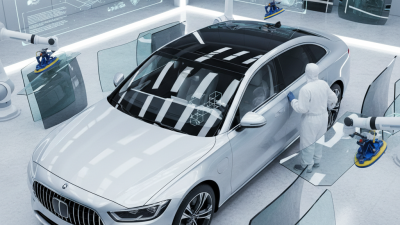
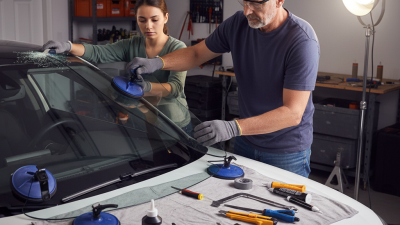
As we approach 2026, the landscape of car windshields is evolving rapidly. Recent industry reports indicate a growing demand for advanced technologies and materials in this sector. The global automotive glass market is projected to reach over $30 billion by 2026, driven by innovations such as augmented reality displays and enhanced safety features.
However, challenges remain. Many manufacturers are struggling to balance sustainability and performance. The shift towards eco-friendly materials for car windshields is underway, yet the research and development costs can be significant. Moreover, not all advancements reach consumer awareness, which can impact adoption rates.
Consumers expect car windshields that offer better durability and clarity. Yet, manufacturers may find it hard to meet these expectations while managing costs. This presents a critical reflection point for the industry. How can companies innovate responsibly while addressing the diverse needs of consumers? The answers may shape the future of car windshields in profound ways.
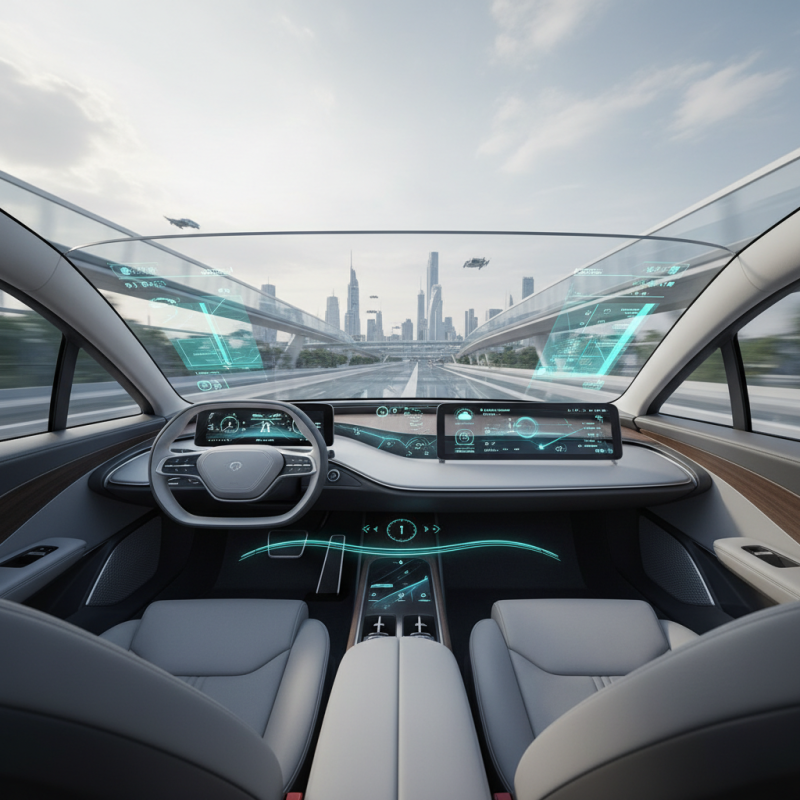
The future of car windshield technology is bright. Innovations focus on enhancing safety, comfort, and connectivity. According to industry reports, an estimated 35% of new vehicles will feature advanced windshield technologies by 2026. Smart windshields with augmented reality (AR) are gaining traction. They can display navigation information directly onto the glass. This feature improves focus on the road while providing essential information.
Another significant trend is the development of self-repairing materials. These materials can heal minor cracks and chips autonomously. This innovation could reduce repair costs by 40%, according to market analysts. However, challenges remain in durability and temperature resistance. Manufacturers need to refine these materials for them to be viable for mass production.
Additionally, the integration of sensor technologies in windshields is on the rise. Features like heads-up displays and advanced driver-assistance systems (ADAS) rely heavily on data from windshields. According to research, 60% of drivers prefer vehicles with such safety features. As technology evolves, expectations for windshield performance will likely change. Consumers seek more than just visibility; they want smarter, safer options.
| Trend | Description | Expected Impact | Technological Features |
|---|---|---|---|
| Self-Healing Windshields | Utilizes advanced materials that can repair minor scratches and chips autonomously. | Increased safety and reduced maintenance costs. | Smart polymers that react to temperature changes. |
| Augmented Reality (AR) Displays | Displays navigation information and safety alerts in the driver's line of sight. | Enhanced driver awareness and reduced distractions. | Integration with vehicle sensors and external data. |
| Solar-Reflective Glass | Reduces heat buildup inside the vehicle, improving comfort and fuel efficiency. | Lower energy costs and improved climate control in vehicles. | Special coatings that reflect UV and infrared light. |
| Integrated Driver Assistance Systems (ADAS) | Windscreens that contain sensors and cameras for advanced driver-assistance technologies. | Improved road safety and facilitation of autonomous driving features. | High-definition optics and connectivity features. |
| Heated Windshields | Embedded heating elements to prevent ice and fog build-up. | Enhanced visibility in harsh weather conditions. | Thin conductive layers integrated into the glass. |
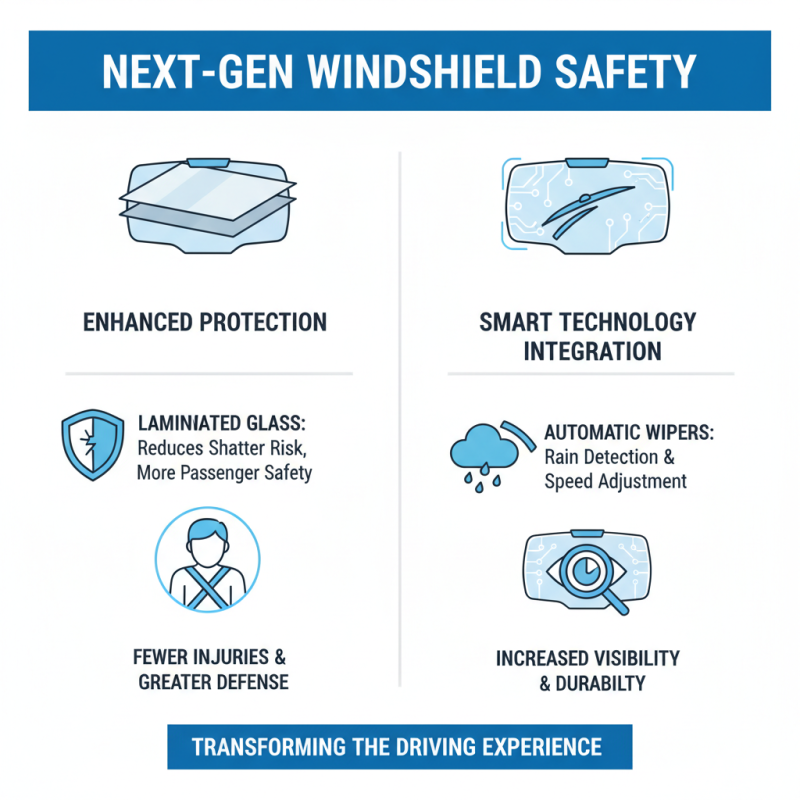
Advancements in windshield safety features are transforming the driving experience. The latest designs incorporate increased visibility and enhanced durability. Laminated glass, for instance, reduces the risk of shattering during accidents. This means fewer injuries and more protection for passengers. Smart technology is on the rise too. Windshields can now detect rain and adjust wiper speeds accordingly.
Safety systems are evolving rapidly. Some models feature heads-up displays that project crucial information right onto the glass. This allows drivers to keep their eyes on the road. Active sensing technology can alert drivers to obstacles in real-time. These features significantly enhance situational awareness and reaction times.
Tips: Always check your windshield for cracks or chips. Small issues can lead to bigger problems. Regular inspections improve safety. Take time to upgrade to newer technologies when possible. Enhanced features might be essential for safer driving. Also, consider how these innovations can influence future repairs and replacements. Being informed minimizes risks.
The rise of autonomous vehicles is reshaping windshield designs. In fact, a recent report predicts that over 25% of new vehicles will be fully autonomous by 2026. This shift demands new windshield features to enhance safety and functionality. Existing windshields focus primarily on visibility. However, with automation, they need advanced technologies that offer more than just a clear view.
For instance, heads-up displays (HUDs) are becoming crucial. They project critical information directly onto the windshield. This reduces driver distraction and enhances situational awareness. Research suggests that HUDs can improve reaction times by up to 30%. Moreover, smart glass technology is on the rise. This allows the windshield to adjust transparency based on lighting conditions. Such innovations not only boost safety but also provide a customizable driving experience.
Yet, challenges remain. Integrating these technologies can lead to higher production costs. Additionally, the durability of these advanced materials is still under investigation. Manufacturers must balance innovation with reliability. The road ahead for windshield design is promising but requires careful consideration and adaptation to new demands.
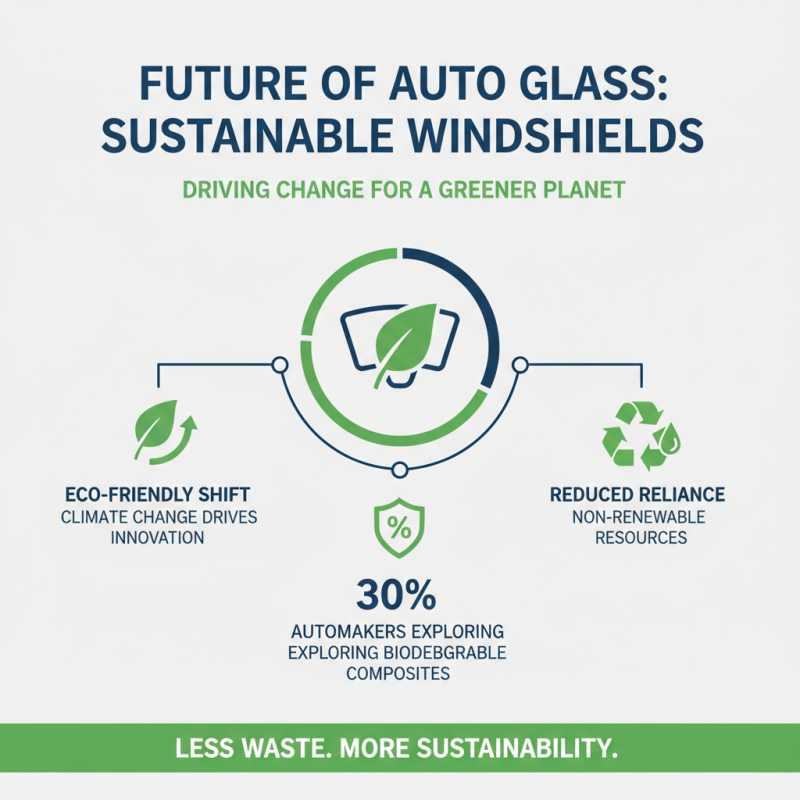
The automotive industry is witnessing a significant shift toward eco-friendly and sustainable windshield materials. As climate change continues to be a pressing issue, manufacturers are increasingly exploring alternatives to traditional glass. Recent reports reveal that approximately 30% of automakers are now looking into biodegradable composites for windshield production. These materials reduce reliance on non-renewable resources, offering a more sustainable option.
Recycling is becoming a vital aspect of windshield manufacturing. In fact, studies show that recycled glass can replace up to 30% of raw materials in production processes. This not only conserves resources but also lowers energy consumption and greenhouse gas emissions. Companies are exploring innovative ways to recycle old windshields effectively. However, challenges remain in developing efficient recycling systems.
There is room for improvement in the development of sustainable materials. Research is still needed to enhance the durability and clarity of new eco-friendly options. Consumers often prioritize performance and safety, which can clash with the transition to sustainable materials. Finding the balance between these priorities will be crucial. The future of car windshields will depend on overcoming these hurdles while meeting environmental goals.
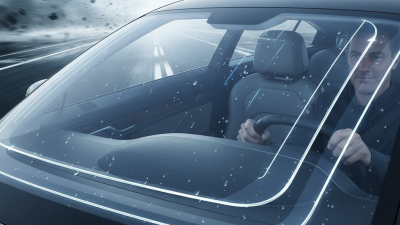
The future of car windshields lies in the integration of smart technologies. Imagine a windshield that not only shields drivers from the elements but also acts as a high-tech display. It could project navigation details directly onto the glass. This technology can enhance the driving experience significantly. Yet, it raises questions about safety and distraction.
Windshields may soon feature augmented reality (AR) capabilities. Drivers could see critical information, such as speed limits or nearby hazards, in real-time. This could help them make quicker decisions. However, the challenge is ensuring that this information does not overwhelm them. Balancing functionality and safety will be crucial.
Moreover, these displays can be touch-sensitive or voice-activated. Such interfaces could allow drivers to customize what they see. Yet, this brings up concerns about user interface complexity. Are drivers ready for this level of interaction? Testing and refining these technologies will be essential before widespread adoption. The road ahead will be filled with excitement and uncertainty.