China’s resin craft sector has become an important sourcing base for decorative insect products. Factories in Guangdong, Zhejiang, Fujian, and Jiangsu offer beetles, butterflies, dragonflies, and custom entomology displays. Their products often combine epoxy resin, preserved specimens, pigments, metal frames, and hand-finishing.
Public data remains limited. No major research firm currently reports a standardized global “Resin Insects” category. That matters. Buyers must interpret broader evidence carefully. Grand View Research valued the global epoxy resin market at approximately USD 12.6 billion in 2023, while Fortune Business Insights forecast continued growth through 2032. These figures describe resin materials, not finished insect ornaments. They still indicate expanding material availability and manufacturing capability. Customs classifications also rarely separate resin insects from gifts, décor, or educational models.
Quality requires more than attractive photographs. Buyers should examine resin clarity, bubble control, specimen alignment, UV stability, odor, packaging strength, and batch consistency. A small beetle wing can reveal poor curing immediately. Ask for production samples. Review defect records and material safety documentation. Some suppliers look impressive online but lack dependable inspection systems. This is where the Top 10 comparison becomes practical, not merely promotional.
Entomologist E.O. Wilson described insects as “the little things that run the world.” His words offer useful perspective. Resin Insects should present nature respectfully, with transparent sourcing and accurate species descriptions. Ethical purchasing matters. Responsible factories should avoid protected species, misleading labels, and unverified biological claims. The following manufacturers are assessed through product range, customization experience, quality controls, export readiness, and buyer feedback. Evidence can still be uneven. Readers should verify current certifications and samples before placing large orders.
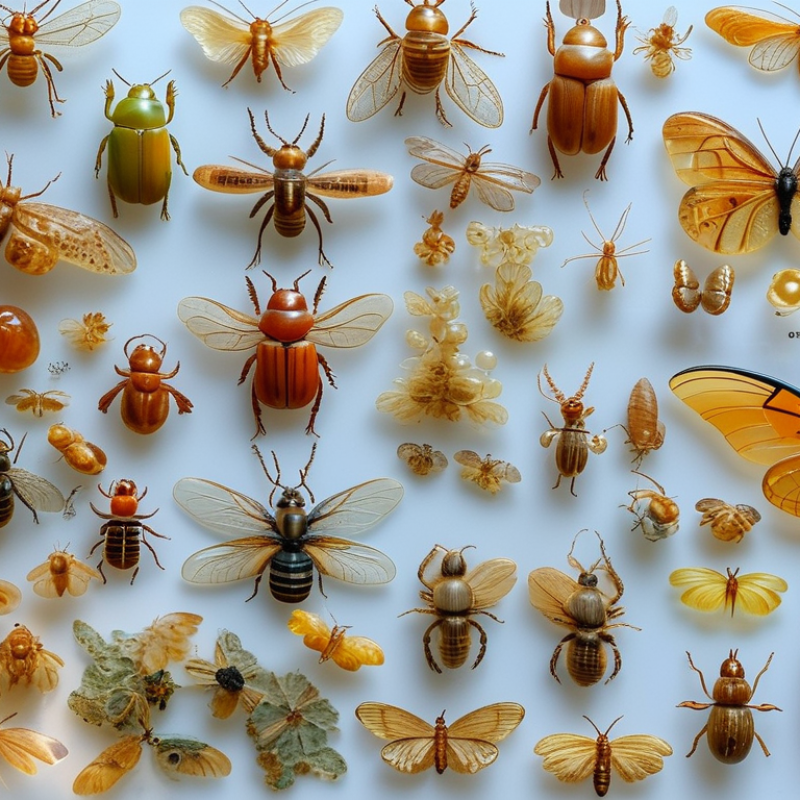
China’s resin insect manufacturing industry serves decorative, educational, gift, and craft markets worldwide. Production ranges from small workshop orders to structured export programs with documented quality controls. The range is broad.
Common products include resin-embedded insect displays, miniature models, ornaments, keychains, paperweights, jewelry components, and teaching specimens. Manufacturers may work with epoxy, polyurethane, or UV-curable resin, depending on clarity, hardness, and production volume. Clear resin reveals wing veins, antennae, and body texture when curing is carefully controlled.
Many factories offer mold development, color matching, logo-free packaging, and customized dimensions. Buyers should request material specifications, sample approval, and packaging tests before placing large orders. A sample can expose bubbles, uneven surfaces, weak joints, or inaccurate colors that photographs hide.
Experienced production teams usually inspect mold alignment, resin mixing, curing time, surface polishing, and final assembly. They also need reliable documentation for material safety and responsible sourcing. Products using real insect specimens require clear origin records and compliance with destination-country import rules. Synthetic replicas can reduce sourcing concerns, though they may look less natural.
The industry still has weaknesses. Small suppliers may depend on manual finishing, causing slight differences between batches. That variation is not always unacceptable, but it must be discussed honestly. For global buyers, stable communication, traceable specifications, and realistic delivery schedules often matter more than the lowest quoted price.
Evaluating China’s top resin insect manufacturers requires more than comparing catalog photos. Start with the sample. Check its weight, surface smoothness, color consistency, and antenna strength. A reliable supplier should explain the resin type, curing process, and quality controls clearly. Ask for material safety documents and production records before placing a large order.
Factory experience matters. Request recent photos or a live video tour showing molds, painting stations, inspection tables, and packed cartons. Review how workers handle small details, such as wing edges and segmented legs. Confirm monthly capacity, minimum order quantities, lead times, and packaging tests. A professional manufacturer should provide clear export documents and respond with specific answers. Vague promises are warning signs.
Use a written approval sample. It should define dimensions, colors, finish, labeling, and acceptable defects. Independent inspections can verify random cartons before shipment. Check references from comparable overseas projects, not only general testimonials. Price deserves attention, but an unusually low quote may hide thinner walls, weak paint, or unstable delivery. I have seen attractive samples fail during transport. That mistake is easy to repeat when buyers skip carton testing. Even experienced purchasers should revisit their checklist, because small cosmetic defects can damage a whole retail batch.
China’s top 10 resin insect manufacturers serve global buyers with decorative models, educational specimens, and custom display pieces. Their products often reproduce beetles, butterflies, spiders, and small wildlife in clear resin. Experienced factories usually combine insect preservation knowledge with mold design and controlled casting processes.
Reliable manufacturers provide sample approval before bulk production. They should explain resin type, curing methods, color stability, and surface finishing. Buyers should also request production photos, material documents, packing details, and export experience. A strong supplier can discuss size tolerance, air bubbles, fragile legs, and safe carton protection. These details matter during long-distance shipping. However, no manufacturer is perfect. Even skilled teams may need several revisions for complex shapes or unusual colors.
Tips: Request one physical sample first. Check clarity under strong light. Inspect thin parts, seams, odor, and packaging strength. Confirm production capacity and lead time in writing. Ask whether the quoted price includes molds, labeling, inspection, and replacement terms. Do not choose only by the lowest offer. That choice can create costly defects later. Also, verify that designs, materials, and shipments meet the destination market’s applicable safety and trade requirements.
For global buyers, resin insect manufacturers differ most in quality control, customization, and production capacity. Clear resin should reveal fine wings, segmented legs, and natural body texture without cloudiness or trapped bubbles. The Plastics Europe Plastics—The Facts 2024 report recorded 413.8 million tonnes of global plastics production in 2023. That scale shows material availability, but not product quality. Buyers still need sample inspections, resin specifications, and documented curing procedures.
Customization is often more valuable than a low unit price. Experienced factories can adjust insect species, body scale, color tones, mounting depth, labels, and protective packaging. Small details matter. A transparent display may need UV-resistant resin, especially for museums, classrooms, and retail lighting. However, “custom” does not always mean accurate. I would request macro photographs, dimensional drawings, and one approved pre-production sample. Even then, natural specimens vary, so perfect visual consistency can be unrealistic.
Production capacity requires evidence, not confident promises. Ask about mold numbers, monthly output, inspection stages, defect rates, and replacement policies. ISO 2859-1 sampling methods can support more consistent acceptance checks. The OECD’s Global Plastics Outlook reports that only 9% of plastic waste was recycled globally in 2019, making material efficiency and waste handling relevant procurement questions. Large capacity may reduce lead times, yet it can weaken handmade detail. Smaller workshops may offer better customization, but delivery risks increase. That trade-off deserves honest calculation.
Selecting among China’s top ten resin insect manufacturers requires more than comparing online photographs. Global buyers should verify factory experience, production capacity, export records, and material specifications. Ask for recent workshop videos, product samples, and a clear resin composition statement. Samples matter most. Colors can differ noticeably between digital images and finished pieces.
Request drawings with exact dimensions, weight, surface finish, and packaging requirements. Confirm whether each manufacturer handles custom molds, small trial orders, and replacement parts. A reliable supplier should explain its quality inspection process, including checks for bubbles, cracks, uneven paint, and fragile legs. Ask for a written quotation with tooling fees, minimum order quantity, lead time, and payment terms. Vague answers deserve caution.
Import planning also needs practical attention. Confirm the correct customs classification with a qualified broker before shipment. Review destination-market labeling, packaging, and consumer product requirements. Choose shipping terms that clearly divide insurance, freight, customs, and delivery responsibilities. A pre-shipment inspection can prevent expensive surprises.
It is not perfect, though. Even approved samples may hide batch differences, especially with hand-painted details. I would keep a small tolerance range in the contract and record every approved sample. Communication can still fail. Simple drawings, dated photos, and written change approvals usually reduce that risk. Test the packaging by dropping a sealed carton from a modest height before placing a large order.