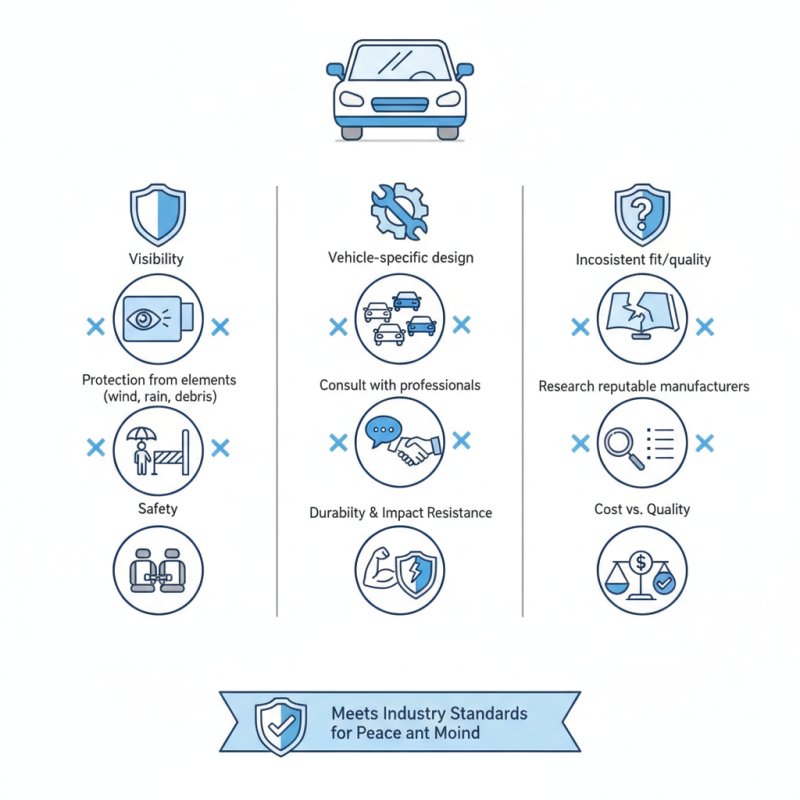
Choosing the best glass windshield for your vehicle is crucial for safety and comfort. A high-quality glass windshield not only enhances visibility but also protects passengers from external elements. It acts as a barrier against wind, rain, and debris, ensuring a safe driving experience.
When selecting a glass windshield, consider the specific needs of your vehicle. Different makes and models may require unique designs. It’s essential to consult with professionals who can provide guidance tailored to your situation. Quality matters: a durable windshield can withstand harsh weather and resist impact, offering better longevity.
However, not all windshields are created equal. Some may fall short of expectations or fail to fit properly. This inconsistency raises questions about reliability. It’s important to research and review options from reputable manufacturers. Balancing cost with quality can be challenging, but thoughtful choices lead to better results. Prioritize safety and ensure your glass windshield meets industry standards for peace of mind on the road.
A quality windshield is crucial to vehicle safety. It acts as a barrier against debris and harsh weather. Additionally, it provides structural integrity to the car. An inferior windshield can lead to catastrophic consequences. Cracks and chips can impair visibility, making driving dangerous.
Tips: Always inspect your windshield for chips or imperfections. Regular maintenance can prevent small issues from escalating. Ensure the seal around your windshield is intact; this prevents leaks and potential rust.
The importance of material cannot be overstated. Opt for laminated glass, as it stays intact upon impact. This feature is essential during accidents. It reduces the risk of injury from shattering glass. A well-fitted windshield also contributes to airbag deployment. Poor installation can hinder their effectiveness.
Tips: When choosing a windshield, consider UV protection and tinting. These features enhance comfort during driving. Even minor scratches can be problematic. Reflect on how often you check your vehicle's glass quality; make it a habit.
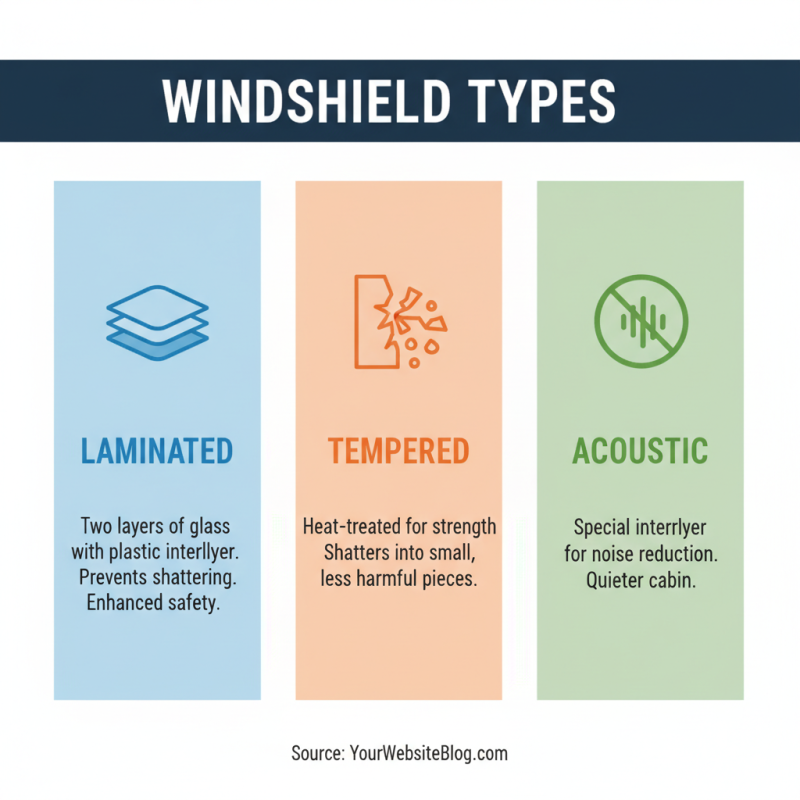
When selecting a windshield for your vehicle, understanding the different types available is essential. The most common categories include laminated, tempered, and acoustic windshields. Laminated glass consists of two layers of glass with a plastic interlayer. This design enhances safety by preventing shattering. On the other hand, tempered glass is heat-treated to increase its strength. In case of breakage, it shatters into small, less harmful pieces.
Data from the National Highway Traffic Safety Administration shows that nearly 390,000 injuries occur annually due to windshield-related accidents. Acoustic glass offers better noise reduction for a quieter ride. It's often preferred for luxury vehicles. A report from the Automotive Glass Association indicates that 70% of consumers unknowingly choose the wrong windshield type, impacting safety and comfort.
Windshields should meet specific automotive safety standards, such as those set by the Federal Motor Vehicle Safety Standards (FMVSS). Before making a decision, consider factors such as UV protection, shatter resistance, and insulation properties. Consulting with a certified professional can significantly influence your choice, ensuring you select the safest and most suitable option for your vehicle.
Choosing the right windshield is crucial for safe driving. Many factors play a role in this decision. First, consider the material. Laminated glass is stronger and offers better protection against road debris. Tempered glass, while durable, may shatter more easily. It’s worth reflecting on your driving habits and needs.
Next, think about the UV protection offered by the windshield. Some models provide higher UV resistance. This can help in reducing heat buildup inside your vehicle. Also, keep in mind the fit of the windshield. An ill-fitted windshield may lead to leaks or wind noise, impacting your driving experience.
Lastly, look into the installation process. A professional installation ensures that proper seals are maintained. However, some DIY options exist. These may seem tempting, but they often lead to mistakes. It’s essential to weigh the time and skill required. Safe driving starts with a well-selected windshield.
Choosing the right glass windshield for your vehicle is crucial for safety and performance. Evaluating brands and quality ratings can guide your decision. Look for windshields that meet safety standards. Not all brands are created equal. Some may claim high quality but lack thorough testing.
Tip: Check for certifications. A windshield should meet industry safety tests. Look for brands that provide detailed information on their manufacturing processes. This transparency shows reliability.
Consider durability features too. Some windshields have added protection against scratches and weather. Read customer reviews for real-life experiences. Positive feedback is a good sign, but a few negative reviews can highlight potential issues.
Tip: Compare warranties offered by different brands. A longer warranty often indicates confidence in product durability. Yet, remember that not all warranties cover the same aspects. Understanding the terms is essential before making a purchase.
When installing a new glass windshield, proper preparation is key. Begin by ensuring the vehicle's surface is clean and dry. Remove any old seals carefully. This step can be tricky, as damage to the frame might occur. Be gentle but thorough. A clear workspace reduces the risk of accidents during installation.
Use high-quality adhesives recommended for windshields. Apply them evenly, avoiding excessive quantities that can lead to messy edges. The adhesive needs time to cure. Avoid driving for at least a day after installation. This waiting period allows for proper bonding, ensuring safety.
Regular maintenance is vital for the longevity of your windshield. Check for chips or cracks frequently. These can expand and compromise safety. Clean the glass with a soft cloth and non-abrasive cleaner. Harsh chemicals may cause wear over time. It's essential to address small issues promptly to avoid costly repairs in the future.
This bar chart illustrates the durability ratings of various types of windshields commonly used in vehicles. A higher rating indicates better resistance against impacts and overall longevity, helping you make an informed decision when choosing the best windshield for your vehicle.