How to Choose Bathroom Glass Doors for Your Home?
Bathroom glass doors can make a small bathroom feel brighter, but the best choice depends on more than appearance. Measure the opening, note nearby fixtures, and consider who uses the room each day. A hinged door needs clear swing space; a sliding panel can suit a narrow layout. Even a few centimeters matter. Measure twice.
Glass type, thickness, hardware, and maintenance all affect comfort and long-term use. Tempered safety glass is commonly selected for shower enclosures, while clear, frosted, or patterned finishes balance privacy with light. Look closely at seals and handles. A loose-fitting seal can leave water on the floor, and that small detail is easy to miss in a showroom. Check whether the shower curb is level, because uneven surfaces can affect alignment and sealing. Ask the supplier how the door is supported and whether wall conditions require reinforcement. Installation quality matters as much as the product.
Before choosing bathroom glass doors, compare measurements, warranties, cleaning needs, and the installer’s experience with your specific layout. Check that the floor and walls are suitable, and follow the manufacturer’s care instructions. Some coatings reduce spotting, but they do not eliminate cleaning. Be realistic about upkeep. A striking frameless design may need more frequent wiping than a framed model. If children or older adults use the bathroom, consider easy entry, grip-friendly hardware, and a panel that opens without blocking movement. Still, the right answer is not always obvious. Budget, accessibility, privacy, and daily habits can pull in different directions. A careful decision starts with the room itself, not a trend photo.
Understand Bathroom Glass Door Types and Opening Styles
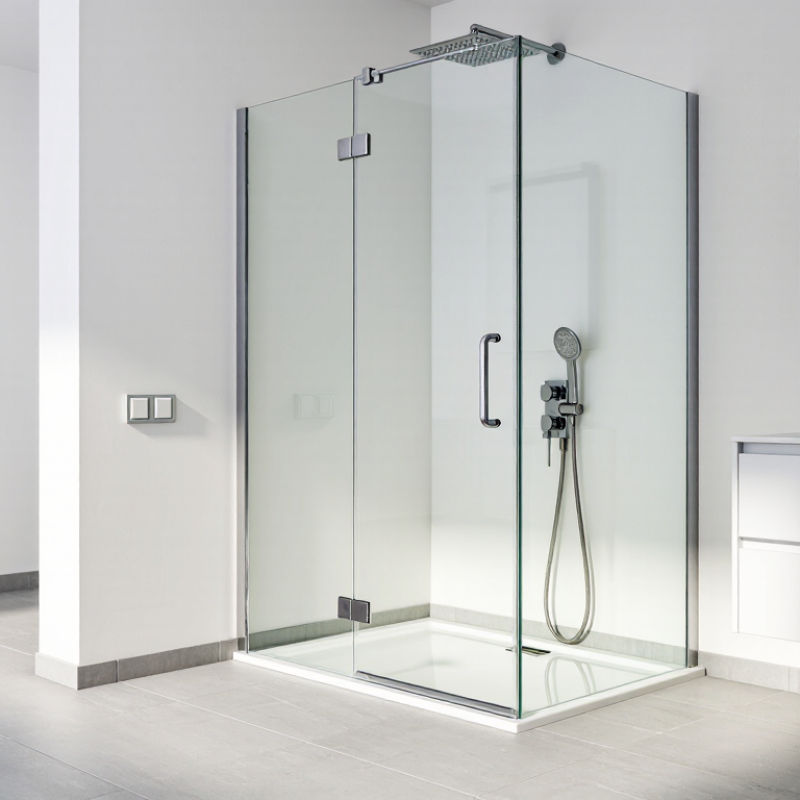
Bathroom glass doors differ in both frame design and the way they open. Framed doors use metal around each glass panel, helping contain water and suit many standard enclosures. Semi-frameless designs reduce visible framing, while frameless doors create a cleaner, more open look. They generally need carefully aligned walls and sturdy fittings. Appearance matters, but so does the bathroom’s layout.
Sliding doors move along a track, so they need little clearance in front of the shower. Check that the track is easy to clean; soap residue can collect in its corners. Hinged doors swing outward or inward and offer a wide entry, but nearby toilets, vanities, or towel bars may block them. Measure twice. Pivot doors can work well in compact layouts, though their swing still needs clear floor space. Folding doors are another option where a full swing is impractical.
Space matters. Before choosing, measure the opening at several points because bathroom walls are not always perfectly square. Note the shower curb, fixtures, and the path the door will travel. A common planning mistake is measuring only the glass opening, then discovering the handle hits a nearby wall. Choose safety-rated glass and confirm that the enclosure, hinges, and installation suit the opening’s dimensions. A qualified installer can check wall support and alignment, especially for heavier frameless panels.
Measure Your Shower Space and Check Installation Constraints
A bathroom glass door should fit the shower opening, not just look right in a photo. Measure the width at the top, middle, and bottom; tiled walls are not always parallel. Record the smallest measurement. Check the opening height, too, and note any sloped ceiling or raised curb. A few millimeters can affect the fit.
Look for walls that lean or bow by holding a level against the tile. Measure the curb carefully, including its depth and slope, since some door systems need a flat, solid mounting surface. Check for nearby toilets, towel bars, and vanity drawers that could block a swinging door. A tape measure cannot show every obstacle. Try marking the door’s swing with painter’s tape on the floor.
Find out where the wall studs or suitable reinforcement sit before drilling. Heavy glass needs secure support, and tile alone may not provide it. Note pipes, shower controls, and niches near the proposed hardware locations. If the layout is unusual, ask a qualified installer to verify the measurements and mounting surface. That extra check can feel fussy, but replacing a poorly fitted panel is worse. Don’t assume an old door’s dimensions will suit a new opening.
Compare Glass Safety, Thickness, and Hardware Options
Bathroom glass doors should use safety glazing designed for wet areas.
Check the glass marking and product documentation, rather than judging safety by appearance alone. Tempered glass breaks into smaller pieces, but those pieces can still cause injury. Laminated glass tends to hold fragments together, though its weight and framing needs may limit its use. Requirements vary by location, so confirm applicable building rules with a qualified installer.
Thickness affects stiffness, weight, and hardware compatibility.
Many shower doors use glass around 6 to 10 millimeters thick, but the right choice depends on the door’s size and support. Thicker glass is not automatically safer. It may need stronger hinges and more substantial wall anchors. Picture a wide hinged panel beside a tiled curb: weak backing can matter more than a few extra millimeters of glass. Check that the wall structure can carry the load.
Hardware deserves close attention.
Hinges, handles, and clamps should suit the chosen glass thickness and resist bathroom moisture. Stainless steel is commonly used, but grade and finish affect corrosion resistance. Seals should limit splashes without making the door hard to open. Small details matter. A magnetic strip that closes neatly in a showroom may feel awkward against uneven tile at home. Measure carefully, and ask how the installer will account for out-of-plumb walls before ordering.
Choose a Design for Your Layout, Privacy, and Style
Choose the glass door around your bathroom’s layout, privacy needs, and daily habits. Houzz’s 2024 U.S. Bathroom Trends Study reports that 84% of renovating homeowners upgrade shower fixtures, showing how central the shower has become.
In a narrow bathroom, a sliding door can preserve walking space. A pivot door needs a clear swing area, so mark its path with painter’s tape before ordering. For corner showers, a curved enclosure can soften tight circulation.
Measure the opening at several heights; walls are rarely perfectly square.
Privacy changes the glass decision.
Clear glass makes a compact shower feel larger and displays clean tile lines. Frosted or textured glass hides direct views while still admitting daylight. A practical compromise uses clear glass above eye level and patterned glass below it. If privacy matters at night, check the bathroom from the hallway, not only from inside the shower. This small test is often overlooked.
The National Kitchen & Bath Association’s 2024 Bathroom Design Trends report highlights aging-in-place and accessible planning as continuing priorities. A wider entrance, low threshold, and sturdy support structure can make the door easier to use later, even if the bathroom feels fine today.
Style should support maintenance. Frameless doors look light, but they expose uneven tile edges and demand accurate installation. Framed doors tolerate minor wall imperfections better.
The U.S. Environmental Protection Agency states that WaterSense fixtures use at least 20% less water than standard models, so coordinate the enclosure with efficient shower fittings. Glass is only one part of the experience.
Consider Maintenance Needs, Durability, and Cost
How to Choose Bathroom Glass Doors for Your Home?
Consider Maintenance Needs, Durability, and Cost
Bathroom glass doors can make a small room feel brighter, but daily upkeep matters. Frameless designs have fewer tracks to scrub, yet their exposed edges and hinges need regular cleaning. Framed doors may contain splashes well, though grime can collect around seals. Check how the door opens and whether you can comfortably reach both sides of the glass.
Durability depends on more than appearance. Look for tempered safety glass and sturdy hardware suited to frequent use. Run your hand along the handle and inspect the hinge area; loose-feeling fittings may need closer attention. A showroom can be misleading: bright lighting hides water spots, and I would ask how replacement seals are sourced. Compare the full cost, including installation, hardware, and future seal replacement—not just the glass price.
Tips: Wipe the glass after showers with a soft squeegee to limit mineral marks. Use a non-abrasive cleaner, and dry metal fittings to slow corrosion. If your water leaves white deposits, expect more frequent cleaning. A little routine helps, but it will not eliminate maintenance.
How to Choose Bathroom Glass Doors for Your Home?
Compare common shower-door styles by maintenance effort, durability, and typical installed cost. Scores use a 1–5 scale: higher maintenance and cost scores mean more effort and expense, while a higher durability score indicates better long-term performance.
Key takeaway: Framed doors generally offer the lowest cost and maintenance burden. Frameless doors provide a clean, modern appearance and strong durability when properly installed, but they usually require more frequent cleaning and a higher budget.