How to Choose the Best Insulated Glass Panels for Your Project?
When selecting insulated glass panels for your project, several factors come into play. These panels can significantly impact energy efficiency and comfort. They also influence aesthetics and noise reduction. Understanding the materials and construction methods is vital.
Quality insulated glass panels have two or more layers of glass separated by a space. This space is often filled with argon gas, which enhances insulation. It's essential to consider the specific needs of your project. For instance, you may require panels that offer higher thermal performance. Alternatively, soundproofing properties might be your priority.
It’s tempting to choose the least expensive option available. However, this can lead to regrets down the line. Poor-quality panels may result in drafts or condensation issues. Take time to reflect on your choices. Will these panels truly meet your requirements? Investing in the right product can make all the difference in your project’s success.
Understanding Insulated Glass Panels and Their Benefits
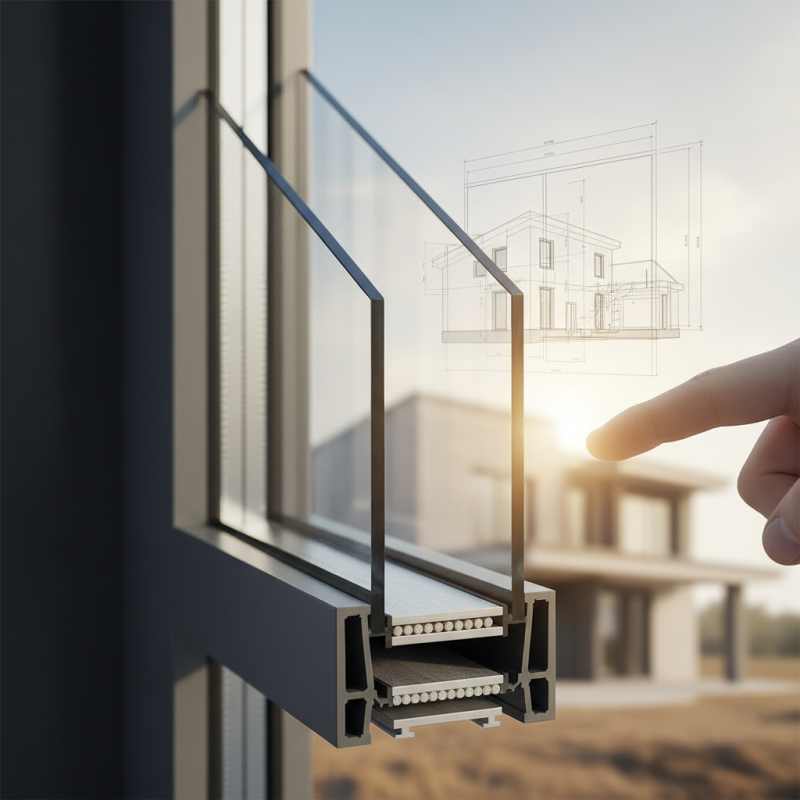
Insulated glass panels are a great choice for energy-efficient projects. They consist of two or more glass layers separated by a space filled with gas. This design reduces heat transfer, keeping indoor spaces comfortable. The benefits of insulated glass are numerous. They improve insulation, reduce noise, and enhance safety.
When selecting insulated glass panels, consider the thickness and spacing. Thicker glass can offer better soundproofing. A wider space can enhance thermal performance. Look for options with low-emissivity coatings. These coatings reflect heat back into your space.
Tips: Evaluate your project needs carefully. High-quality installation can dramatically affect performance. Keep in mind local climate conditions. They can influence the glass type you choose. Be aware of potential moisture issues between panes, which can lead to condensation. Always check for warranties that cover potential defects.
Identifying the Key Factors in Selecting Insulated Glass
When selecting insulated glass panels, several key factors come into play. One primary consideration is the climate of your project location. Colder areas require higher insulation values. In contrast, warmer regions can prioritize solar control features. Understanding your specific needs prevents overspending on unnecessary options.
Another important factor is the thickness of the glass. Thicker glass generally provides better insulation and durability. However, it can also increase weight and cost. Balancing these elements is crucial. Don't hesitate to question your choices. Is the extra thickness truly necessary for your project?
Tips: Test the glass design. Visualize how it fits your space. Consider both aesthetics and functionality. Seek additional opinions from experts or peers. This can provide different perspectives and help you refine your decisions. Be open to feedback; it can improve your selection process.
Comparing Different Types of Insulated Glass Panel Technologies
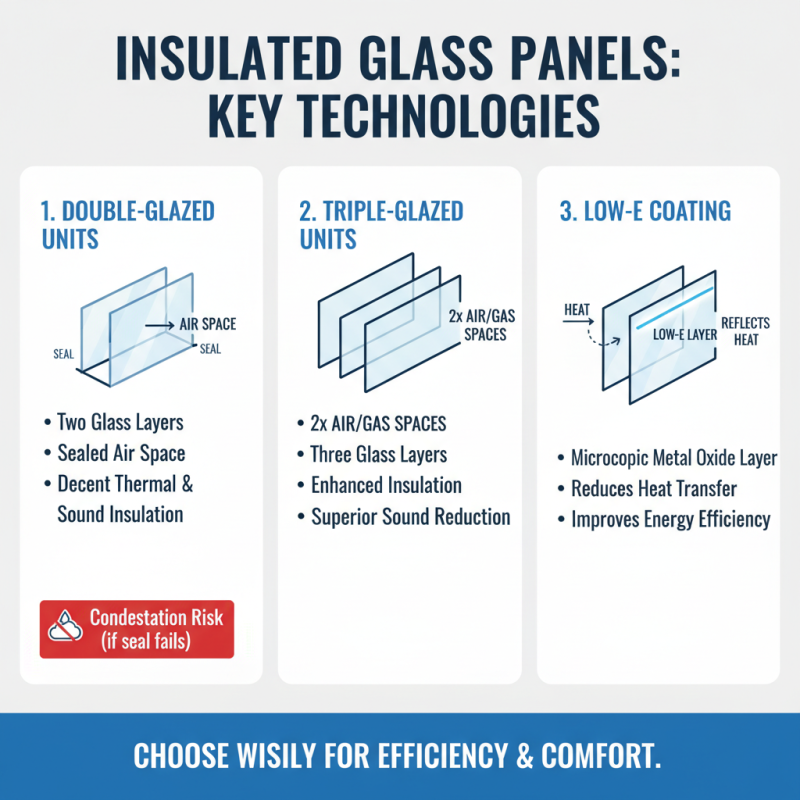
When choosing insulated glass panels, understanding various technologies is crucial. Insulated glass units (IGUs) differ in efficiency and application. For instance, double-glazed panels are popular, comprising two glass layers with a sealed air space. They provide decent thermal insulation and sound reduction but can experience condensation issues if improperly sealed.
In contrast, triple-glazed units offer improved performance, featuring three glass layers. According to industry reports, they can reduce heat loss by up to 30% compared to double-glazing. However, these panels are heavier and may require stronger framing systems. Selecting the right type hinges on balance, as heavier panels can complicate installation and increase costs.
Another option is low-emissivity (Low-E) glass, treated to reflect heat. This technology enhances insulation while allowing light. However, the effectiveness of Low-E coatings can diminish over time, raising questions about durability. Complexities exist: the installation process must be flawless; otherwise, thermal performance can be compromised. Assessing these factors is essential for maximizing energy efficiency in building projects.
Evaluating Energy Efficiency Ratings for Insulated Glass Options
When selecting insulated glass panels, energy efficiency is crucial. Look for the Energy Star label. However, not all products meet high standards. Research is essential. U-values and R-values are key indicators of thermal performance. A lower U-value means better insulation. R-values indicate resistance to heat flow. Balancing these two can be tricky.
Consider the climate where you live. In colder areas, a lower U-value may be necessary. For warm climates, pay attention to solar heat gain coefficient (SHGC). High SHGC panels can trap heat, making interiors uncomfortable. Visualize how sunlight enters your space. It's not just about numbers; it's about comfort.
Check for certifications and ratings. Not all panels are created equal. Sometimes, products look great but perform poorly. Reviews and expert opinions can help. Always look for real-world testing results. It’s easy to be swayed by glossy marketing. Strive to make informed choices. Remember, energy efficiency can save costs long-term.
Energy Efficiency Ratings of Insulated Glass Panels
Considering Cost vs. Long-term Value for Insulated Glass Panels
When selecting insulated glass panels, cost is often a primary consideration. However, it is crucial to weigh this against long-term value. Industry reports indicate that while the initial investment for high-quality insulated glass may be higher, the return on investment (ROI) can be significant. Energy-efficient windows can reduce heating and cooling costs by up to 30%, according to the U.S. Department of Energy.
In a recent survey, homeowners reported that 70% noticed lower energy bills after upgrading to insulated glass. This demonstrates the long-term savings aspect. Yet, some may hesitate to invest upfront. A less expensive option may save money initially but may lack durability. This could lead to higher maintenance and replacement costs in the long run.
Choosing the right insulated glass involves more than just price. It involves analyzing the U-value, which measures insulation effectiveness. Optimal U-values ensure that your investment pays off over time. Some may overlook this detail in favor of cheaper alternatives. A thought-provoking question arises: Is immediate savings worth future costs? Quality should not be compromised for low prices. It’s essential to think long-term for better performance and energy savings.