Why Choose Insulated Glass for Your Next Project?
In recent years, insulated glass has gained immense popularity in the construction industry. This material is celebrated for its energy efficiency and durability. According to the National Glass Association, buildings equipped with insulated glass can reduce energy costs by up to 30%. This represents significant savings for homeowners and businesses alike.
The dual-pane or triple-pane design of insulated glass minimizes heat transfer. This means less energy is needed for heating or cooling. Additionally, insulated glass enhances comfort by reducing drafts and heat loss. The demand for such efficient solutions is rising as energy prices increase.
However, not all insulated glass products are created equal. Some can fail over time, leading to condensation issues. It’s essential to choose reputable manufacturers with proven track records. Understanding the features and benefits of insulated glass is critical for making informed decisions in any project.
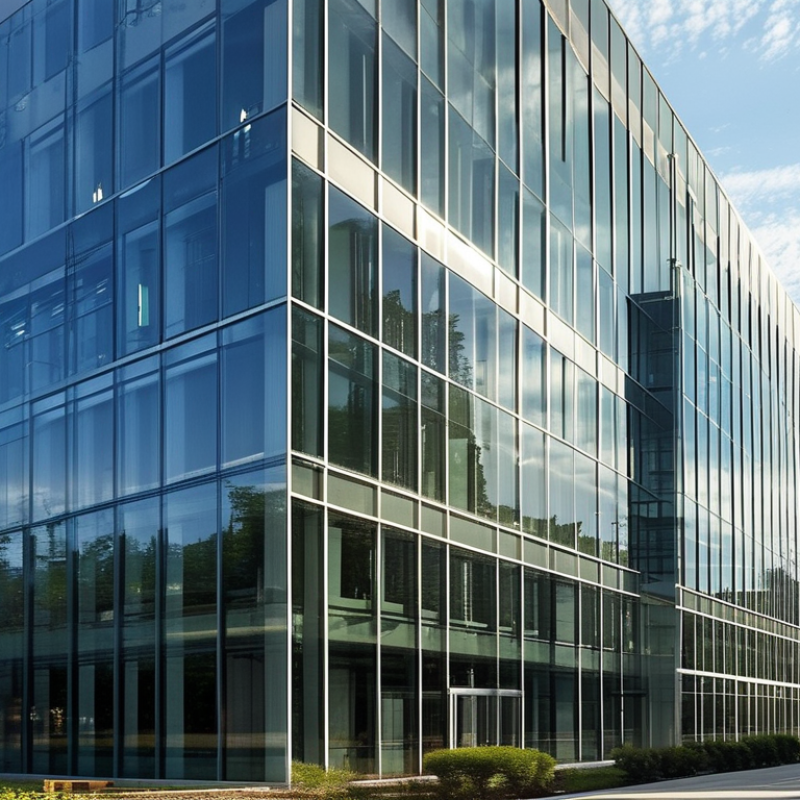
Benefits of Insulated Glass in Energy Efficiency
Insulated glass is a popular choice for many construction projects, especially when energy efficiency is a priority. This type of glass features multiple panes separated by a layer of gas, creating an effective barrier against temperature changes. The result is a comfortable indoor space, regardless of the weather outside.
Energy efficiency is not just about saving money. It is also about reducing your carbon footprint. Insulated glass can significantly lower energy costs by maintaining consistent temperatures throughout the year. In winter, the glass keeps heat in, while in summer, it helps keep heat out. This technology contributes to a more sustainable environment.
Tips: When selecting insulated glass, consider its thickness and the type of gas used between the panes. Additionally, ensure proper installation to maximize efficiency. Double-check if the frames around the glass are well-sealed, as air leaks can undermine the benefits of insulated glass. While insulated glass provides many advantages, overlooking installation details might lead to unanticipated energy losses.
How Insulated Glass Improves Comfort in Living Spaces
Insulated glass plays a crucial role in enhancing comfort within living spaces. This type of glazing consists of two or more glass panes separated by a gas-filled space. The design significantly reduces heat transfer. In colder climates, this means warmer interiors. In warmer months, it helps keep spaces cool.
For those considering insulated glass, here are some tips. Pay attention to the frame and seal quality during installation. A poorly sealed unit can lead to energy loss. Additionally, choose a reputable installer. This ensures the glass is fitted correctly. Many overlook this step, leading to issues later.
Moreover, think about sound insulation. Insulated glass can greatly reduce outside noise. This feature is particularly beneficial in urban environments. Keep in mind, however, that not all insulated glass units are the same. Some may offer better performance than others based on construction and materials used. Research is key.
Durability and Longevity of Insulated Glass Installations
Insulated glass has gained popularity due to its durability and longevity in various applications. According to the Department of Energy, properly installed insulated glass windows can last over 20 years with minimal maintenance. This lifespan contrasts starkly with traditional single-pane windows, which may require replacement every 10 years due to inefficiency and damage.
The construction of insulated glass involves two or more panes, creating a thermal barrier. This design significantly reduces energy loss and enhances indoor comfort. The National Fenestration Rating Council (NFRC) indicates that insulated glass units can reduce energy costs by 20% to 30%. However, the initial installation cost can be higher than alternatives. Evaluating long-term savings is essential for project planning.
While insulated glass is robust, factors like improper installation or environmental stress can lead to failure. Seals may degrade, leading to condensation between panes. Despite this risk, regular inspections can mitigate potential issues. When managed correctly, insulated glass remains a reliable option that meets energy efficiency standards and provides lasting performance.
Comparative Cost Analysis: Insulated Glass vs. Traditional Glass
When considering insulated glass versus traditional glass, cost is a major factor. According to the U.S. Department of Energy, insulated glass can reduce energy costs by 30% to 50% in residential buildings. This significant energy saving can translate to lower utility bills, providing long-term financial benefits. On the other hand, traditional glass tends to have a lower upfront cost, but it lacks the efficiency required for modern energy standards.
Installation factors also play a role in the total cost analysis. The average cost for insulated glass windows can range from $300 to $1,000 per window. Meanwhile, traditional glass installations might cost between $100 and $500. As traditional glass does not provide the same insulating properties, homeowners might waste money on heating or cooling. In cold climates, traditional glass can lead to ice formation and condensation issues, further complicating the user experience.
It's important to weigh long-term savings against initial expenses. Many projects overlook the efficiency of insulated glass in the design phase. They might focus solely on upfront costs. However, building professionals recognize that a more investment-oriented approach often pays off. Balancing aesthetics and energy efficiency is crucial in making a wise choice.
Environmental Impact of Using Insulated Glass in Construction
Insulated glass is a popular choice in modern construction. Its environmental benefits significantly impact sustainability efforts. This type of glass reduces heat loss, helping buildings maintain optimal temperatures. As a result, it lowers energy consumption for heating and cooling. Many buildings now prioritize energy efficiency, and insulated glass plays a key role in that.
Furthermore, using insulated glass contributes to a smaller carbon footprint. By minimizing the need for energy, it helps reduce greenhouse gas emissions. Buildings designed with this glass type often feature better insulation overall. However, it's important to consider the entire lifecycle of these materials. While the initial benefits are clear, the production process can have environmental implications. This raises questions about sourcing and manufacturing practices.
Long-term benefits can outweigh the drawbacks. Awareness of these complexities can lead to improved choices in future projects. Architects and builders should evaluate the implications carefully. Balancing energy efficiency with ethical material sourcing is crucial. The goal is to create structures that are not only energy efficient but also environmentally responsible.
Why Choose Insulated Glass for Your Next Project? - Environmental Impact of Using Insulated Glass in Construction
| Aspect |
Description |
Environmental Impact |
Energy Efficiency Rating |
| Thermal Performance |
Insulated glass reduces heat transfer, maintaining indoor temperatures. |
Lower heating and cooling demands reduce fossil fuel use and emissions. |
U-value: 0.2 - 0.4 W/m²K |
| Acoustic Performance |
Blocks outside noise, creating a quieter living/working space. |
Improved quality of life with reduced noise pollution. |
Rw value: 30 - 50 dB |
| Sustainability |
Made from recyclable materials; energy-efficient manufacturing processes. |
Reduced carbon footprint over product lifecycle. |
LEED certification potential. |
| Aesthetic Versatility |
Available in various designs, enhancing architectural appeal. |
Promotes energy-efficient designs in contemporary architecture. |
N/A |