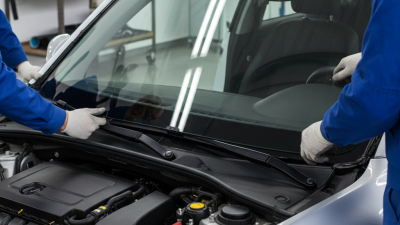
Choosing the right glass windshield is not simply a matter of matching your car’s year, make, and model. The windshield supports visibility, cabin protection, and several safety systems. A poor match can create distracting reflections, sensor errors, or fitting problems around the dashboard.
Bob Beranek, founder of Automotive Glass Consultants, has stated, “The windshield is a structural component of the vehicle.” That point deserves attention. Modern glass windshield designs may include rain sensors, cameras, heating elements, acoustic layers, or solar-control coatings. Your replacement must match these features, not merely fit the opening. Check the vehicle identification number, glass markings, and manufacturer specifications before ordering. Small details matter.
Look closely at the installation plan. A reputable technician should inspect the frame for rust, confirm the correct adhesive, and follow the required curing time. Ask whether camera calibration is included after installation. It may be necessary.
I have seen buyers focus only on price, then notice wind noise near the upper corner. That choice saves money briefly, but creates doubt every time the car reaches highway speed. Still, no single windshield suits every driver. A touring driver may value acoustic glass, while a city driver may prioritize glare reduction and clear camera compatibility. Even experts can overlook trim differences between similar models. Therefore, compare the glass windshield specification, installation quality, warranty, and calibration process together. A clear view begins with accurate information, not an attractive discount.
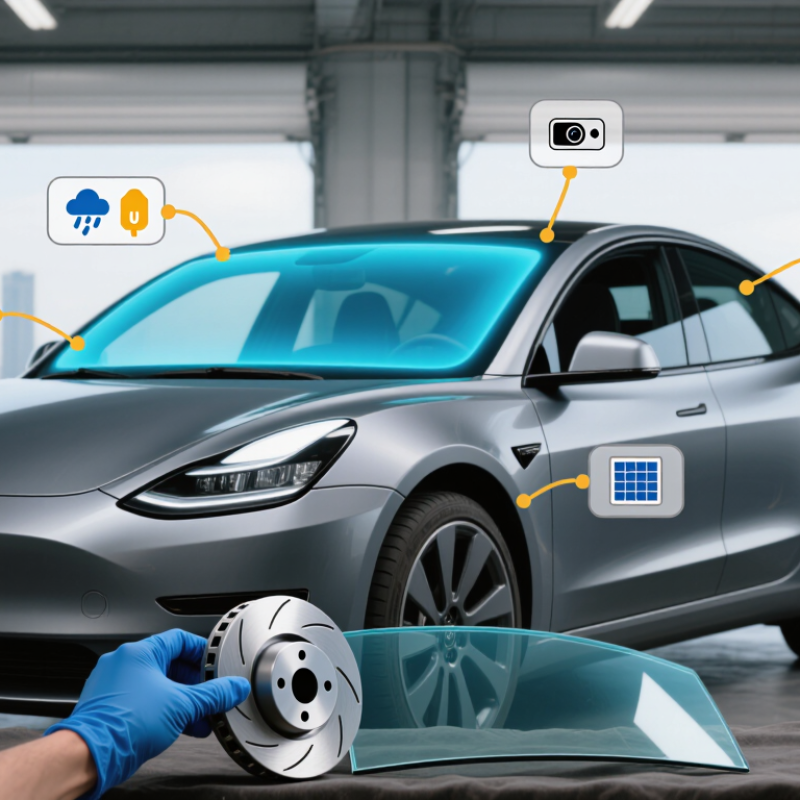
Choosing the right glass windshield starts with identifying your car’s exact specifications. Record the model year, body style, trim level, and vehicle identification number. Small production changes can affect the glass shape and mounting points. Do not guess.
Check the existing windshield for printed markings and visible features. Look for a rain sensor area, heating elements, antenna lines, tinted bands, or a camera bracket behind the mirror. Some vehicles require special glass for driver-assistance cameras or head-up displays.
The replacement must match these functions, not merely fit the opening. Measure carefully. A slightly different curve may create wind noise, leaks, or poor camera alignment.
Use the vehicle service information and confirm the part details with a qualified glass technician. Ask whether the windshield includes the correct molding, sensor window, and acoustic or solar-control properties. After installation, camera systems may need calibration on a level surface. This step is often overlooked, and that is a serious weakness in a rushed replacement. I would also inspect the adhesive, alignment, and curing instructions before driving. A clean appearance does not prove a safe installation. When specifications conflict, the vehicle identification number and manufacturer repair data should guide the final decision.
How to Choose the Right Glass Windshield for Your Car?
The windshield is usually laminated safety glass, with a clear plastic layer between two sheets. This structure helps contain broken glass during a collision. Side and rear windows often use tempered glass, which breaks into smaller pieces. Check the safety marking printed near the glass edge. It should match your vehicle’s required standard and light-transmission rules.
Fit matters as much as glass type. An experienced installer should compare the vehicle identification details, glass shape, thickness, and mounting points. A small mismatch can cause wind noise or water leaks around the dashboard. The cheapest option may appear acceptable. It may not provide the same optical clarity or impact performance. I would also inspect the glass from the driver’s seat, especially under bright sunlight. Wavy reflections can cause eye strain.
Available features deserve careful attention. Acoustic glass can reduce tire and rain noise. A tinted upper band may soften glare. Some windshields include heating elements, rain sensors, head-up display areas, or camera brackets for driver-assistance systems. These features are useful only when installed and calibrated correctly. Camera calibration can fail after replacement, even when the glass looks perfectly aligned. Ask for calibration records and a written warranty. Not every extra is worth the cost. A sensor feature that your car does not support adds little value. When uncertain, compare the owner’s manual with the installer’s technical specifications.
| Decision Dimension | Available Option / Specification | What It Means | Best Choice When | Important Check |
|---|---|---|---|---|
| Glass construction | Laminated safety glass | Two glass layers bonded around a plastic interlayer. If damaged, the glass generally stays attached to the interlayer instead of breaking into loose shards. | Every standard windshield replacement, subject to local regulations. | Confirm that the replacement is approved for windshield use in your jurisdiction. |
| Glass construction | Tempered safety glass | Heat-treated glass designed to break into small granules when shattered. | Usually side and rear windows, not the primary windshield. | Do not substitute it for a laminated windshield unless specifically permitted by applicable regulations. |
| Acoustic performance | Acoustic laminated glass | Uses a sound-reducing interlayer or construction to help limit road, wind, and traffic noise. | Long-distance driving, highways, or vehicles with noticeable cabin noise. | Noise reduction varies by vehicle design, glass thickness, seals, tires, and installation quality. |
| Visibility and heat control | Solar-control or infrared-reducing glass | Reduces some solar energy entering the cabin, which can improve comfort and reduce air-conditioning demand. | Hot climates or vehicles frequently parked or driven in strong sunlight. | Check compatibility with toll tags, mobile signals, GPS, and other devices that may need a transmission area. |
| Cold-weather performance | Heated windshield or heated wiper zone | Embedded heating elements help clear frost, ice, or moisture from selected areas. | Cold regions where winter visibility is a frequent concern. | The vehicle must have the correct wiring, controls, fuse capacity, and replacement part configuration. |
| Driver assistance compatibility | ADAS-compatible windshield | Includes the correct optical area, camera bracket, shade pattern, and mounting geometry for forward-facing sensors. | Vehicles equipped with lane-departure warning, automatic emergency braking, traffic-sign recognition, or similar systems. | Camera calibration may be required after replacement; follow the vehicle manufacturer’s service procedure. |
| Display compatibility | HUD-compatible glass | Designed to present a clear projected image and reduce unwanted ghost images in a head-up display system. | Vehicles fitted with a windshield-projected head-up display. | A standard windshield may cause double images or reduced display clarity. |
| Automatic sensing | Rain and light sensor window | Provides the optical area and mounting interface needed for automatic wiper and headlamp sensors. | Vehicles with automatic wipers or automatic lighting. | Verify the sensor bracket, gel pad, optical clarity, and electrical connection. |
| Regulatory compliance | Applicable safety-marked glass | The windshield should meet the safety-glazing requirements applicable to the vehicle’s country or region. | All replacements, regardless of price or feature level. | Common regulatory frameworks include FMVSS 205, UN Regulation No. 43, and other regional standards; requirements differ by market. |
| Optical quality | Correct curvature and distortion control | Accurate shaping helps preserve a clear, stable view without distracting waves or visual distortion. | Every driver, especially those who drive at night or in heavy rain. | Inspect the viewing area from inside the vehicle before accepting the installation. |
| Fit and installation | Vehicle-specific replacement | Matches the original dimensions, curvature, moldings, brackets, camera position, and adhesive requirements. | All vehicles, particularly those with sensors or advanced driver-assistance systems. | Provide the exact vehicle year, body style, trim, and installed features before ordering. |
| Repair versus replacement | Small chip repair | A repair may be possible when damage is limited in size, outside the driver’s critical viewing area, and not at the edge or through multiple layers. | Recent minor chips with no long cracks or significant contamination. | Replace the windshield when damage affects structural areas, visibility, sensor zones, or the damage exceeds local repair limits. |
Selection reminder: Match the replacement windshield to the vehicle identification details and original safety features. After installation, allow the adhesive to reach its required safe-drive-away time and complete any required sensor or camera calibration.
Choosing the right glass windshield now involves more than matching the vehicle model. Modern windshields may support forward cameras, rain sensors, light sensors, head-up displays, and heating elements. A small bracket shift can change the camera’s view. The result may be warning messages, poor lane detection, or delayed emergency braking. The Insurance Institute for Highway Safety reported that forward collision warning reduces rear-end crashes by about 27%, while automatic emergency braking reduces them by about 50%. These systems depend on accurate windshield installation and calibration.
Ask for the exact glass specification, not simply “OEM size.” Check the camera window, mounting bracket, tint band, acoustic layer, and sensor openings. The replacement must match the vehicle’s software requirements. After installation, request dynamic or static calibration, depending on the system. A technician should also inspect the camera housing for dust, moisture, or a slightly tilted mount. In real workshop conditions, calibration can fail when the floor is uneven or the wheel alignment is poor. This detail is easy to overlook.
Tips: Photograph the old windshield before removal. Record every warning light after installation. Ask for a calibration report. If the dashboard shows a camera or driver-assistance alert, do not ignore it. The glass may look perfect. The system may still be inaccurate.
Choosing a replacement windshield is not only about clear glass and a neat price. In my experience, small differences matter: a loose molding, uneven adhesive, or a slightly incorrect camera bracket can create trouble during rain or emergency braking.
Check the glass certification carefully. In the United States, FMVSS 205 covers glazing materials, while FMVSS 212 addresses windshield retention during a crash. UNECE Regulation No. 43 is another widely used approval standard. These references do not guarantee perfect installation, but they provide a measurable quality baseline. NHTSA’s 2022 Traffic Safety Facts recorded 42,514 road deaths in the United States, reminding us that safety equipment deserves more attention than appearance alone.
Ask whether the replacement matches the vehicle’s original specifications, including thickness, curvature, tint band, and sensor openings. Advanced driver-assistance cameras may require calibration after installation. Industry repair standards recommend controlled preparation, approved primers, and a documented safe-drive-away time. That time changes with temperature and humidity. It is not guesswork. However, certification marks can be difficult to interpret, and I have sometimes trusted a label too quickly. A careful installer should explain the standard, adhesive system, calibration result, and inspection process in plain language. Test the wipers. Check the edges. Look again in daylight.
A qualified installer treats windshield replacement as a safety repair, not a cosmetic service. Ask whether the technician follows recognized automotive glass procedures and uses the correct adhesive, glass type, and molding. NHTSA’s 2023 Traffic Safety Facts recorded 40,901 roadway deaths in the United States. That figure does not prove every crash involved glass, but it shows why small installation shortcuts deserve serious attention.
Check the installer’s training, insurance, written warranty, and calibration process. Modern windshields may support cameras, rain sensors, or lane-warning systems. After installation, request documentation showing whether recalibration was required and completed. NHTSA’s FMVSS 212 and 216 requirements address windshield retention and roof-crush protection, so the final fit affects more than appearance. The glass should sit evenly, with consistent gaps and no visible stress marks. Open and close the doors gently, inspect the dashboard edge, and listen for air noise during a short drive. A perfect-looking job can still be wrong.
Do not rush the cure time. Ask when the vehicle is safe to drive, especially in cold or humid weather. AGSC technical guidance stresses controlled installation practices and proper adhesive handling. I would also photograph the seal before leaving. It feels excessive, but it creates a useful record if water enters later. Minor concerns are worth reporting immediately.