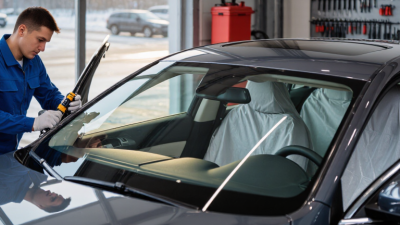
How to Find Reliable Auto Glass Phoenix Suppliers?
Finding a dependable auto glass phoenix supplier is not simply about locating the lowest price. Your windshield supports roof strength, protects passengers, and helps cameras or sensors work correctly. A careless installation may look acceptable while creating serious problems later.
Bob Beranek, a respected auto glass safety specialist, has stated, “The windshield is a safety device.” That short warning deserves attention. Reliable suppliers should explain their glass specifications, installation process, technician training, and warranty terms. Ask whether the replacement matches your vehicle’s exact year, model, trim, and advanced driver-assistance systems. Small details matter.
Look for clear business information, verified customer reviews, and evidence of consistent local experience. A trustworthy auto glass phoenix company should inspect the damage before recommending replacement. It should also use a clean work area, approved adhesives, and proper curing time. If calibration is required, the supplier must explain where and how it will happen.
Do not rely on promises alone.
Request an itemized quote. Confirm whether the glass is original equipment or aftermarket. Ask who handles problems if wind noise, leaks, or camera warnings appear afterward. These questions may feel excessive, but they reveal how seriously a supplier treats safety.
There is no perfect buying method. Online reviews can be incomplete, and a polished website proves little. My own practical conclusion is simple: compare evidence, not slogans. A reliable supplier earns confidence through transparent answers, careful workmanship, and support after installation.
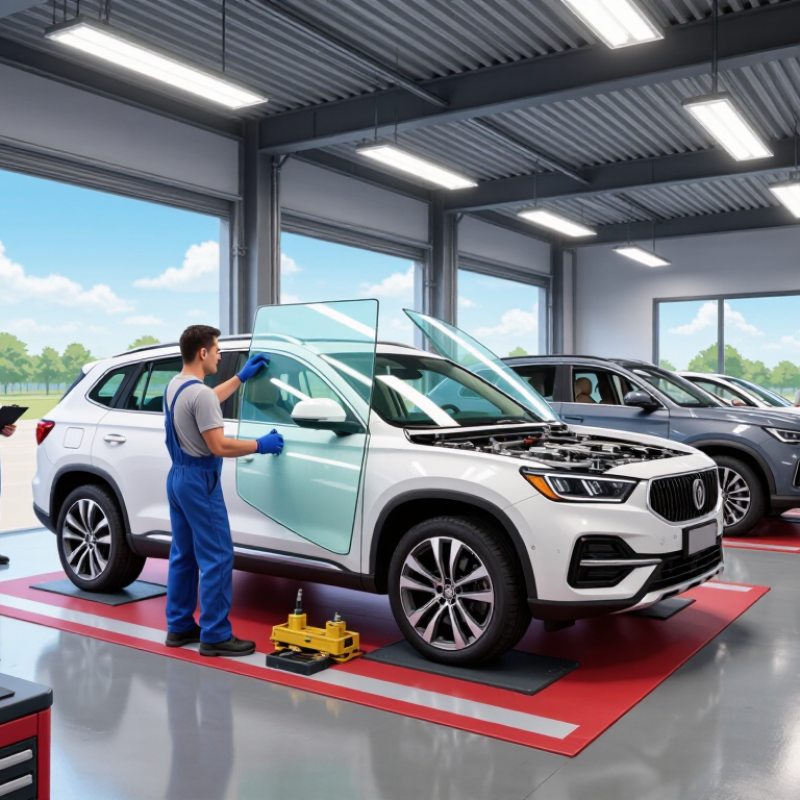
Use AGSC’s 45%/60% Windshield-Strength Data to Set Safety Criteria
When comparing auto glass suppliers in Phoenix, use a measurable safety filter. AGSC technical guidance states that the windshield contributes about 45% of cabin strength in a frontal crash and about 60% during a rollover. These figures are not decoration. They explain why glass fit, bonding, and cure time deserve more attention than a low quote.
Ask each supplier which glass standard applies to your vehicle. Request evidence of compliance with FMVSS No. 212, which addresses windshield retention during crashes. FMVSS No. 216a also evaluates roof-crush protection, where windshield bonding can matter. NHTSA’s 2023 Traffic Safety Facts recorded 40,901 U.S. traffic deaths, showing why installation quality cannot be treated as cosmetic work. A reliable shop should document glass identification, adhesive type, temperature limits, and safe-drive-away time. Keep the paperwork.
Phoenix heat, dust, and rapid temperature changes can complicate curing. A qualified technician should inspect the pinchweld, remove corrosion, and follow the adhesive manufacturer’s procedure. If cameras or sensors sit behind the windshield, request documented calibration after replacement. That detail is often missed. I would also check technician training and a written workmanship warranty. No supplier is perfect; rushed scheduling can create pressure. Ask questions. Walk away when answers stay vague.
Verify AGSC Credentials, Technician Training, Insurance, and Local Reviews
How to Find Reliable Auto Glass Phoenix Suppliers?
A reliable Phoenix auto glass supplier should provide verifiable AGSC credentials. Ask for the company’s current membership details, not just a logo on its website. Credentials matter, but they do not replace careful questions. Request the technician’s training records, especially for vehicles with cameras, sensors, or advanced driver-assistance systems. Windshield work can affect calibration. A small mistake may create a serious safety concern.
Ask whether the technician follows written installation procedures and uses the correct glass for your vehicle. Experienced suppliers should explain curing time, adhesive handling, and post-installation checks in plain language. They should also carry current liability insurance and workers’ compensation coverage. Request proof from the insurer or agent. A vague answer is worth noticing. I would not choose a supplier based only on the cheapest quote.
Local reviews can reveal useful patterns. Read recent comments from Phoenix customers, then look for details about arrival times, clean-up, communication, and billing. Several reviews mentioning the same problem deserve attention. However, reviews are imperfect evidence. Some may be outdated, overly emotional, or too brief to judge workmanship. Check how the supplier responds to criticism. A calm, specific response shows more professionalism than a perfect rating.
Before booking, confirm the written price, warranty terms, mobile-service limits, and whether recalibration is included. Keep the questions simple. Reliability is easier to test before the glass is removed.
Require I-CAR-Aligned ADAS Scanning and Calibration After Replacement
Finding reliable auto glass suppliers in Phoenix means looking beyond fast installation. After replacement, the camera behind the windshield may no longer aim correctly. That small shift can affect lane support, emergency braking, or forward warnings. Calibration is not optional. I-CAR-aligned training should guide scanning, target setup, and post-repair verification. Ask whether the supplier follows vehicle-specific repair procedures and records each result.
Industry evidence supports this caution. The Insurance Institute for Highway Safety reports that front crash prevention can reduce rear-end crashes by about 50 percent. However, that benefit depends on accurate sensors and proper system operation. Equipment alone is insufficient. Reliable Phoenix suppliers should document the windshield specification, camera position, diagnostic scan, calibration method, and final road-test findings. A printed report is more useful than a vague “all clear.”
Look for practical details. The technician should explain where the vehicle sits, how targets are positioned, and whether lighting or road conditions affect calibration. The handover should include fault-code results and recommended follow-up checks. If someone says calibration is unnecessary because the camera “looks fine,” treat that as a warning. A clean windshield can still hide alignment errors. I would also question suppliers that promise every repair will finish quickly; some vehicles require additional checks. The process can be imperfect, and a failed scan may require correction rather than concealment. Reliable service leaves an evidence trail, not just a polished windshield.
How to Find Reliable Auto Glass Phoenix Suppliers?
Require I-CAR-Aligned ADAS Scanning and Calibration After Replacement
Use this verification scorecard when comparing Phoenix auto glass suppliers. The highest-priority checks are documented pre- and post-replacement diagnostics, adherence to vehicle-maker repair procedures, technician training, calibration capability, and a written calibration report. ADAS requirements vary by vehicle, glass type, sensor position, and replacement procedure, so the supplier should confirm the required scan or calibration before installation.
Scorecard weights are procurement criteria for supplier evaluation, not market-share statistics. I-CAR-aligned practice should be verified with current repair documentation and technician training records.