Top Mobile Windshield Suppliers for Global Buyers?
Choosing the right mobile windshield suppliers can shape safety, delivery speed, and customer trust across international markets. Global buyers need more than attractive prices. They need consistent glass quality, accurate vehicle coverage, reliable packaging, and responsive technical support.
Bob Beranek, a respected auto-glass educator and former Auto Glass Safety Council president, has stated, “The windshield is the third most important safety device in the vehicle, behind seat belts and airbags.” His point remains practical. A poorly matched windshield can affect visibility, sealing, structural support, and advanced driver-assistance systems. Serious suppliers should provide clear product specifications, traceable manufacturing information, and guidance for ADAS recalibration when required.
This guide examines leading mobile windshield suppliers through a buyer’s lens. It considers OEM and aftermarket options, mobile installation networks, export experience, regional coverage, and replacement-part availability. Packaging deserves attention too. A cracked corner after a long sea journey can erase the benefit of a low quotation. Delivery promises may also look impressive until customs delays appear.
No supplier is perfect. Some offer excellent coverage but limited technical support. Others respond quickly but lack consistent stock. Buyers should compare warranty terms, installation training, glass standards, and after-sales communication before signing agreements. In practice, a short video call can reveal more than a polished catalog. Ask how the supplier handles urgent orders, damaged shipments, VIN matching, and calibration questions. This article aims to make that evaluation clearer, while recognizing that local vehicle conditions and customer expectations still require careful judgment.

What Are Mobile Windshields and How Do They Work?
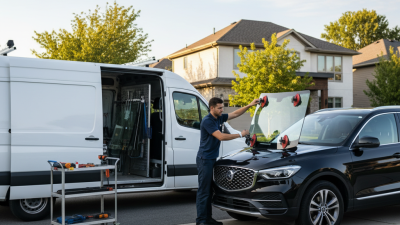
Mobile windshields are vehicle windshields supplied and installed at the customer’s location. A trained technician brings the glass, tools, adhesive, and safety equipment to a driveway, workplace, or fleet yard. This service reduces vehicle downtime and helps buyers manage replacements across several locations.
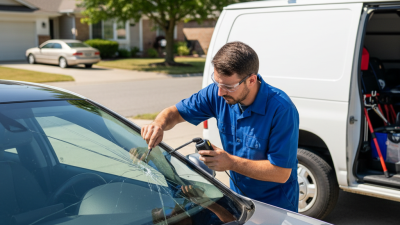
The process starts with vehicle identification and glass measurement. The technician removes damaged glass carefully, cleans the frame, and checks for rust or hidden damage. A primer may improve adhesive bonding. Then, the new windshield is positioned with suction handles and sealed around the edge. Modern vehicles may include cameras or sensors behind the glass. These systems often require calibration after installation. Without calibration, lane warnings or emergency braking features may respond incorrectly. Curing time also matters. Moving the vehicle too soon can weaken the seal, even when the glass looks secure.
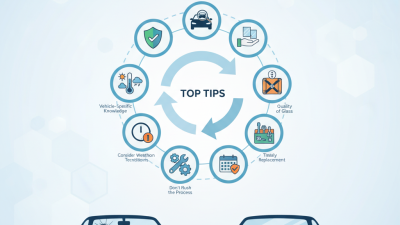
Tips: Global buyers should request glass specifications, installation records, adhesive details, and calibration procedures. Confirm packaging strength for long-distance shipping. Ask how temperature and humidity affect curing. A useful supplier should explain limitations clearly. That builds trust. Replacement work is not always perfect. Fit, sensor alignment, and delivery timing can still create problems, especially with uncommon vehicle models. Experienced buyers should keep photographs and inspection notes before approving the job.
Key Criteria for Evaluating Global Mobile Windshield Suppliers
Global buyers should evaluate mobile windshield suppliers through evidence, not polished catalogs. Experienced suppliers can explain fitment by vehicle model, production year, curvature, tint, and sensor configuration. Ask for inspection records, material specifications, and sample pieces before placing a large order. A clear answer matters.
Quality control should cover more than visible glass clarity. Check edge finishing, thickness consistency, optical distortion, adhesive compatibility, and sensor cutouts. Request batch numbers and traceable production dates. During a trial shipment, inspect cartons for corner protection, moisture resistance, and movement inside the box. Small cracks often begin with poor packaging.
Delivery performance also deserves close attention. Compare realistic lead times, minimum order quantities, replacement procedures, and communication speed. Suppliers serving mobile installation teams should offer stable stock and practical technical support. Ask whether they can handle mixed vehicle models without confusing labels. References from comparable buyers can reveal actual reliability. Still, no supplier is perfect. A strong report may not prevent one damaged shipment, so define corrective steps in writing before cooperation begins.
Leading Mobile Windshield Suppliers by Product and Market Focus
Top Mobile Windshield Suppliers for Global Buyers
Leading mobile windshield suppliers serve different product and market needs. Some focus on laminated replacement glass for passenger cars and light trucks. Others supply heated windshields, acoustic glass, panoramic panels, or units designed for driver-assistance systems. Product matching matters. A windshield may look correct but still require precise camera brackets, sensors, and edge dimensions.
Suppliers serving repair networks usually offer broad vehicle coverage, barcode tracking, and dependable regional stock. Fleet-focused suppliers often emphasize volume pricing, fast dispatch, and consistent batches. Export-oriented suppliers must provide strong crates, moisture protection, and clear packing lists. Small details matter. A cracked corner can erase a shipping discount. Buyers should request technical drawings, glass specifications, production samples, and documented quality checks before placing large orders.
For mobile installation teams, supplier support is equally important. Useful partners provide fitment data, adhesive guidance, curing information, and access to calibration procedures when required. Some suppliers offer private-label packaging, while others support direct replacement programs for insurers and fleet operators. Experienced buyers compare more than price. They review response speed, claim handling, minimum order quantities, and delivery performance across several shipments. The lowest quote can look attractive. It may hide weaker packaging or inconsistent brackets. One practical weakness remains common: catalog data is sometimes outdated. Rechecking vehicle compatibility before dispatch prevents expensive returns and avoidable installation delays.
How Global Buyers Can Compare Quality, Pricing, and Certifications
Global buyers should compare mobile windshield suppliers through test evidence, not attractive quotations. Grand View Research estimated the automotive glass market at about USD 29 billion in 2023, with continued growth linked to vehicle production and advanced driver-assistance systems. That growth creates more choices, but also more inconsistent quality. Ask for optical distortion results, laminate adhesion data, fragment behavior, and edge-finish photographs. Hold the glass against a straight warehouse light. Wavy reflections can reveal problems quickly. Experience matters here.
Pricing needs a landed-cost comparison. Include tooling, minimum order quantities, packaging, insurance, freight, duties, breakage allowances, and calibration support. A low unit price may become expensive after one damaged pallet or repeated fitting labor. Compare identical specifications. Glass thickness, tint, acoustic layers, antenna design, and camera brackets can change the final cost. S&P Global Mobility’s aftermarket research repeatedly identifies vehicle electronics as a growing service-cost factor. Windshields with camera systems deserve closer pricing scrutiny.
Certifications require careful reading. ECE R43, FMVSS 205, FMVSS 212, and other national requirements address different performance areas. ISO 9001 supports process control, but it does not prove every windshield meets a vehicle-glass regulation. Request current certificates, laboratory reports, batch numbers, and a traceability sample. Check whether testing covers the exact part number. Not enough. Supplier audits should examine furnace records, interlayer storage, calibration procedures, and complaint handling. I would also test a small shipment before signing a large contract. That step feels slower, yet it exposes packaging weaknesses and fitment errors early. Mistakes happen. A reliable comparison leaves room for them.
Ordering, Shipping, and After-Sales Considerations for International Buyers
Choosing a mobile windshield supplier for international orders requires more than comparing unit prices. Confirm the exact vehicle model, production year, glass dimensions, tint, antenna position, and sensor openings. A small mismatch can stop installation. Request technical drawings, inspection photos, and sample documentation before placing a large order.
Ask how each windshield is packed for ocean or air freight. Strong corner protection, moisture barriers, and shock indicators can reduce damage during long transport. Clarify the shipping term, export documents, insurance coverage, and customs responsibilities in writing. Delivery estimates should include production time, port handling, and possible inspection delays. A low quotation may exclude important charges.
After-sales support deserves equal attention. Confirm the warranty period, evidence required for a claim, and the response time for damaged or incorrect goods. Reliable suppliers should provide batch records and replacement procedures. For windshields with cameras or driver-assistance sensors, ask whether calibration guidance is available after installation. Local technicians may need specific tools and training.
Do not rely on polished photos alone. I would test one shipment before committing to regular volume. Even careful suppliers can make packing or labeling mistakes. Keep photos of the crate, glass, labels, and delivery condition. This record makes disputes clearer. Some buyers overlook communication time zones, which can slow urgent claims. A named service contact and written escalation process are practical safeguards.