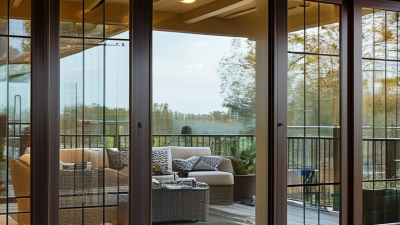
Choosing patio doors is no longer only a matter of matching frames with flooring. Global buyers now compare daylight, ventilation, security, thermal performance, maintenance, and installation conditions. Grand View Research reports that the global windows and doors market continues to expand, supported by renovation, urban housing, and energy-efficiency demand. However, its broad category does not isolate patio doors consistently. That limitation matters.
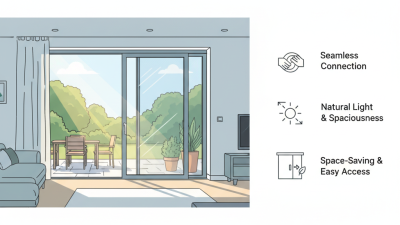
Sliding patio doors suit compact rooms and balconies. Their panels move parallel to the wall, leaving furniture undisturbed. Hinged French doors provide a traditional appearance and wider opening. Folding and lift-and-slide systems create larger connections with gardens, terraces, and coastal views. Each design carries trade-offs. Hardware quality, drainage, glass specification, and local weather exposure can change the result dramatically.
Mike Turnbull, a fenestration technical specialist associated with the Fenestration and Glazing Industry Alliance, offers a useful principle: “A door should be evaluated as a complete opening system, not as glass alone.” That sentence deserves attention. The frame, seals, rollers, threshold, locks, and installation work together. The U.S. Department of Energy notes that windows and doors can represent a meaningful share of household energy loss, while ENERGY STAR guidance emphasizes certified performance and correct installation.
The best choice is therefore regional, not universal. A humid coastal home may need corrosion-resistant hardware and strong water management. A cold climate may prioritize low U-factor glazing. A small apartment may simply need a smooth slider. Reports provide direction, but they cannot replace site measurements. That is the uncomfortable part. A beautiful door can still perform poorly when specification and installation are treated as afterthoughts.
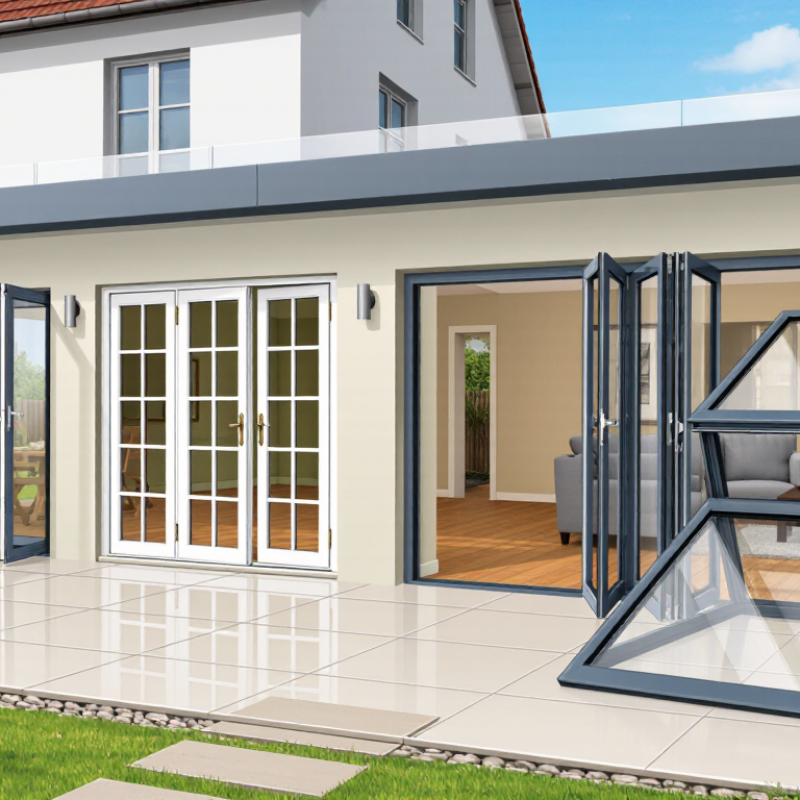
Patio doors are large glazed doors designed to connect indoor rooms with outdoor spaces.
They often open onto gardens, balconies, or terraces. Their wider glass panels bring in daylight and provide clearer views than ordinary doors. Common designs include sliding, hinged, and folding systems. Each design uses different hardware, tracks, seals, and opening spaces.
Standard doors usually have narrower panels and a simpler swing movement. A patio door may slide along a track, so it needs less indoor clearance. However, its rollers must handle weight and dust over many years. Hinged patio doors feel more familiar, but they require room for the door leaf to open.
Large glass areas also make insulation, drainage, security, and frame strength especially important. Buyers in cold, hot, windy, or rainy regions should check thermal performance and weather seals. A low threshold can improve access, but it may need careful water protection. Bigger is not always better.
Tips:
Measure the opening, wall space, and finished floor level twice. Check whether furniture blocks the movement. Ask for glass performance data, drainage details, and replacement hardware availability. Local installers can reveal practical issues that product sheets miss. Small mistakes matter.
Sliding patio doors move horizontally along a bottom or top track. Rollers carry the active panel, while the fixed panel remains sealed in the frame. A latch and interlocking stile improve security and reduce air leakage.
The U.S. Department of Energy reports that windows can cause 25–30% of household heating and cooling energy use. Patio doors contain larger glass areas, so performance matters. NFRC certification data helps buyers compare U-factor, solar heat gain coefficient, visible transmittance, and air leakage.
Lower U-factor generally supports better insulation, while suitable SHGC depends on climate and sun exposure.
Sliding doors work well where swinging clearance is limited. They connect kitchens with patios, balconies, gardens, and compact terraces. Wide openings also improve daylight and wheelchair access.
However, they are not perfect. Dust can collect inside the track, and worn rollers may create dragging noise. Coastal buyers should inspect corrosion resistance carefully.
In hot regions, low-emissivity glazing and external shading can reduce afternoon heat. In cold regions, insulated frames and tight weatherstripping deserve greater attention. A beautiful panel can still perform poorly if installation is rushed.
French, folding, and pivot patio doors create different experiences at the threshold. French doors open from the center, giving a familiar double-leaf entrance. Their smaller panels often feel stable in windy conditions. However, the meeting point between panels needs accurate adjustment. A poor seal can produce a cold line near the floor.
Folding doors stack sideways and open a wider section of wall. They suit entertaining, garden access, and compact terraces. The trade-off is visible hardware and several panel joints. More joints can mean more maintenance.
U.S. Department of Energy guidance estimates that windows and doors may account for 25–30% of residential heating and cooling energy use.
Therefore, global buyers should compare U-values, air leakage, water resistance, and solar heat gain—not only opening width.
Pivot doors rotate on concealed or floor-mounted hardware. Their large, dramatic movement works well in modern homes. Yet the door weight, drainage design, and threshold must be checked carefully. Pivot systems may demand stronger structural support than French doors.
In hot climates, solar-control glazing can reduce interior heat, while insulated glazing matters more in colder regions.
The 2024 Global Status Report for Buildings and Construction states that buildings consume about 32% of global energy.
Door selection is a small decision, but repeated heat transfer adds up. I would not choose folding doors automatically for every view. Local wind loads, accessibility rules, installer skill, and replacement parts may matter more than appearance.
Choosing patio doors starts with climate, not appearance. In humid coastal regions, fiberglass and well-finished aluminum resist swelling, insects, and salt better than untreated wood. Aluminum frames are slim and affordable, but they can transfer heat quickly without thermal breaks. That detail matters during hot afternoons or freezing nights. Vinyl offers strong value for moderate climates. It needs little maintenance, although low-quality profiles may warp under intense sunlight. I have seen this happen. Measure twice.
Wood brings warmth and useful insulation, especially in dry or cold areas. However, it demands regular sealing around the frame, sill, and exposed joints. Miss one maintenance cycle, and moisture can enter quietly. Fiberglass costs more than vinyl, yet it usually handles temperature changes with less movement. Composite materials can balance a wood-like appearance with improved moisture resistance, but their quality varies widely. Ask for test data, not attractive samples.
Budget planning should include glass, installation, drainage, and future repairs. A cheaper door with weak weather seals may cost more after two winters. In windy regions, select impact-rated or reinforced systems where local building rules require them. For energy savings, compare low-emissivity glass, insulated frames, and air-leakage ratings. In my experience, installation errors often undermine good materials. Leave room for revision. A local climate professional can check sun exposure, rainfall, and wall conditions before ordering.
Comparative climate-suitability ratings for common patio door materials. A higher score indicates better overall performance in the selected climate when the door is correctly designed, installed, and maintained.
Rating scale: 1 = limited suitability, 5 = strong suitability. Ratings are comparative guidance based on typical material characteristics; actual results vary with frame design, glazing, seals, drainage, installation quality, and local exposure.
Top Types of Patio Doors: Which Is Best for Global Buyers?
How Can Global Buyers Compare Safety, Energy Efficiency, and Maintenance?
Global buyers should compare patio doors by performance, not appearance alone. Safety begins with strong frames, secure locking points, and impact-resistant glazing. Laminated glass helps hold fragments together after breakage. Tempered glass offers useful protection but can still shatter suddenly. Check independent test reports, not only sales descriptions.
Energy efficiency requires local climate knowledge. Look for a low U-value, controlled air leakage, and insulated frames with thermal breaks. In hot regions, solar-control glazing can reduce indoor heat. In cold regions, warm-edge spacers may limit condensation around the glass. These details matter more than a decorative finish. Installation quality also affects real performance.
Maintenance depends on weather, materials, and daily use. Coastal homes need corrosion-resistant hardware and regular salt removal. Wet climates require clear drainage channels and durable gaskets. Sliding doors should move smoothly without grinding or forcing. Ask how easily rollers, seals, and locks can be replaced. A door with excellent laboratory results may perform poorly after careless installation.
A perfect door does not exist. I would compare certified data, warranty coverage, spare-part access, and local installer experience together. Regional building rules can differ, so buyers should verify safety and thermal requirements before ordering. Fancy features are not always useful. Simple maintenance often wins.
| Patio Door Type | Typical Opening Configuration | Security Performance | Energy Efficiency | Weather and Air-Tightness Considerations | Maintenance Level | Space Requirement | Best-Suited Applications | Main Advantages | Potential Limitations |
|---|---|---|---|---|---|---|---|---|---|
| Sliding Patio Door | One or more panels slide horizontally along tracks; usually one fixed panel and one operating panel. | ★★★★☆ Look for multi-point locks, anti-lift devices, laminated or tempered safety glass, and reinforced frames. |
★★★★☆ Modern insulated units can provide good thermal performance. Double glazing is common; triple glazing may be suitable for colder climates. |
Track design, interlocks, weather seals, and correct installation strongly affect air and water resistance. Tracks must remain clean for proper sealing. | Low to Medium Clean tracks, inspect rollers, and replace worn weather seals when required. |
Low clearance; panels do not swing into the room or onto the patio. | Apartments, balconies, compact patios, and high-traffic residential areas. | Space-efficient operation, wide glass area, simple everyday use, and generally good cost-to-performance balance. | Track wear can affect operation; the opening width is limited by the sliding panel arrangement. |
| Hinged French Patio Door | Two door leaves swing inward or outward from side hinges; may include a central inactive leaf. | ★★★★☆ Multi-point locking, strong hinges, security cylinders, and laminated glass can provide robust resistance to forced entry. |
★★★★☆ Compression seals around the perimeter can provide effective insulation when the frame is correctly adjusted. |
Generally offers good sealing because the leaves close against compression gaskets. Drainage and threshold design are important in wet or windy regions. | Low Lubricate hinges and locks, check alignment, and inspect perimeter seals. |
Requires clear swing space on both sides of the doorway. | Traditional homes, gardens, terraces, and projects prioritizing a classic appearance. | Strong closing pressure, easy maintenance, wide clear opening, and convenient access for people or furniture. | Needs swing clearance; wind can affect an open leaf unless a reliable restrictor or hold-open device is installed. |
| Bi-Fold Patio Door | Multiple hinged panels fold and stack to one or both sides of the opening. | ★★★★☆ Security depends on panel alignment, multi-point locking, hinge protection, and the quality of the folding hardware. |
★★★☆☆ Performance can be good with thermally broken frames and insulated glazing, but multiple panel joints create more sealing interfaces. |
Correct adjustment is essential. More joints, hinges, and moving seals require careful installation to control air and water leakage. | Medium Clean tracks, maintain rollers and hinges, and inspect seals and panel alignment regularly. |
Needs stacking space at the side or both sides of the opening; a shallow track area must remain unobstructed. | Large entertaining areas, indoor-outdoor living spaces, restaurants, and garden rooms. | Creates a very wide opening and offers flexible ventilation and access options. | Higher hardware complexity, more frequent adjustment needs, and potentially greater heat loss at panel junctions. |
| Lift-and-Slide Patio Door | A handle lifts the panel slightly off its seals, allowing it to move horizontally; the panel lowers and seals when closed. | ★★★★★ Large panels can be combined with multi-point locks, anti-lift protection, strong interlocks, and safety glazing. |
★★★★★ Suitable for high-performance insulated glazing and thermally improved frames when designed and installed as a complete system. |
Low operating friction when open and strong compression or drop seals when closed. Threshold drainage and precise installation are critical. | Low to Medium Keep tracks clean, check drainage channels, lubricate approved hardware, and monitor seals. |
Low swing clearance; requires adequate wall-side space for the moving panel. | Premium homes, cold climates, exposed coastal locations, and large glazed openings. | Excellent combination of large-panel operation, weather performance, security potential, and thermal efficiency. | Typically higher purchase and installation cost; large panels require accurate structural support and handling. |
| Pivot Patio Door | A large door leaf rotates around offset or central pivot hardware rather than conventional side hinges. | ★★★☆☆ Performance varies significantly with the lock, pivot system, frame design, and glass specification. |
★★★☆☆ Can accommodate insulated glazing, but the pivot geometry and large leaf size require careful weather-seal engineering. |
Seal continuity and threshold detailing are important. Large leaves may be more sensitive to wind pressure and installation tolerances. | Medium Inspect pivot hardware, maintain seals, and verify that the leaf remains correctly aligned. |
Requires a generous opening arc and sufficient floor area on the operating side. | Architectural entrances, contemporary homes, and statement openings. | Distinctive design, convenient movement for large leaves, and strong visual impact. | Less common hardware, potentially higher service requirements, and greater sensitivity to wind and alignment. |
| Traditional Hinged Patio Door | One active door leaf, sometimes paired with a fixed side panel or a second leaf. | ★★★★☆ Can achieve strong security with a multi-point lock, reinforced strike plates, security hinges, and laminated glass. |
★★★★☆ Perimeter compression seals and insulated glazing can provide consistent thermal performance. |
Usually straightforward to seal, but the sill, threshold, and weather bars must be suitable for the local rainfall and wind exposure. | Low Clean and lubricate hardware, adjust hinges if needed, and replace damaged seals. |
Requires swing space and a clear path for the door leaf. | Small patios, side entrances, balconies, utility areas, and renovation projects. | Simple construction, easy access, efficient sealing, and relatively straightforward repair. | Smaller opening width than folding systems; the swing area may restrict furniture placement. |
Note: Ratings are comparative guidance for typical modern residential systems, not product certifications. Actual performance depends on frame material, glazing, hardware, drainage, installation quality, climate, building exposure, and compliance with applicable local standards. Buyers should request tested U-values, air-leakage, water-resistance, wind-load, impact-safety, and security data for the specific door configuration.