
What Are the 2026 Top Types of Car Windshields?
The 2026 car windshields market is becoming more specialized, safer, and increasingly connected to vehicle electronics. A windshield is no longer just a transparent barrier. It can support cameras, project driving information, reduce cabin noise, block heat, and strengthen the vehicle’s body structure.
Bob Beranek, a respected auto-glass educator and former president of the Auto Glass Safety Council, has said, “The windshield is a structural component, not merely a piece of glass.” That sentence deserves attention. It explains why laminated windshields remain the standard for most vehicles. Their plastic inner layer helps hold broken glass together during impact. Newer acoustic windshields add another layer of comfort by reducing road noise around the dashboard and front seats. Solar-control glass can also limit infrared heat, leaving the steering wheel less scorching after parking outdoors.
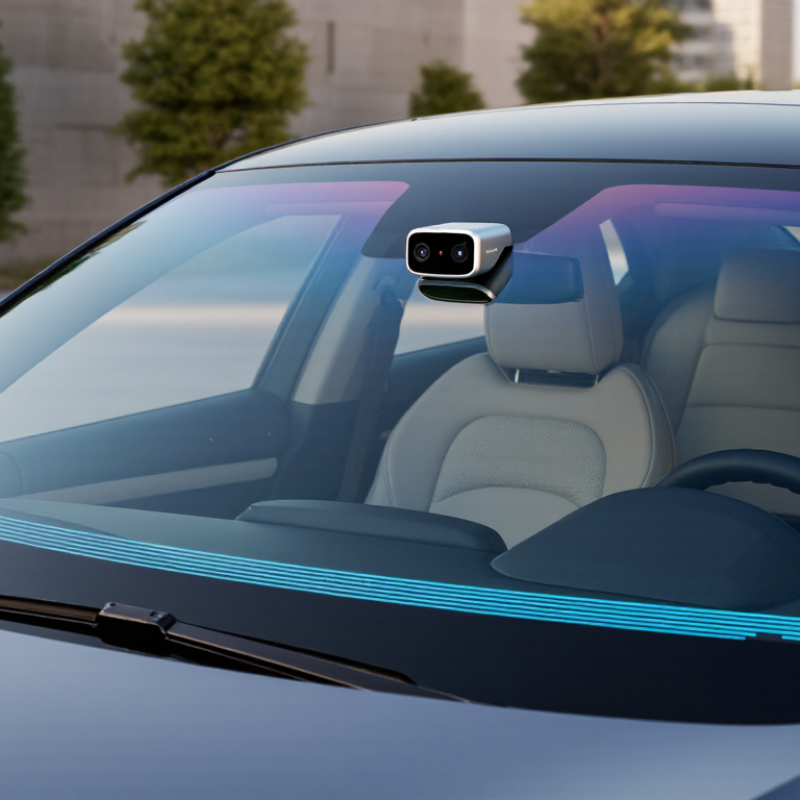
Some 2026 models use HUD-compatible glass, heated windshields, and camera-ready designs for advanced driver-assistance systems. These types must match the vehicle’s sensors precisely. A small camera-position error can affect lane-keeping or emergency-braking performance. That detail is easy to overlook.
No single type wins every test. A premium acoustic windshield may improve comfort, but replacement costs can be higher. Heated glass can clear frost quickly, yet it may require specialized electrical connections. I may be oversimplifying the comparison here. Real performance depends on the vehicle, climate, glass quality, and installation accuracy. This guide examines the leading car windshields for 2026, including their practical benefits, limitations, and ideal applications.
How Car Windshields Are Classified in 2026
What Are the 2026 Top Types of Car Windshields?
How Car Windshields Are Classified in 2026
In 2026, car windshields are classified by material, position, safety function, and embedded technology. Laminated glass remains the standard front windshield type. It uses two glass layers with a flexible inner film. After impact, the sheet may crack without instantly scattering. NHTSA recorded 40,901 U.S. traffic deaths in 2023. That figure reinforces why glass retention matters.
The next category is acoustic laminated glass. Its special inner layer reduces wind, tire, and road noise inside the cabin. Solar-control glass filters infrared energy and can reduce dashboard heat. Some versions also include heating wires for frost removal. These features are not merely cosmetic. They affect visibility, comfort, and driver attention.
Technology-equipped windshields form another important group. Head-up display glass uses carefully controlled optical layers. ADAS-compatible glass supports cameras mounted near the rear-view mirror. Small placement errors can affect calibration. The Insurance Institute for Highway Safety continues to emphasize camera visibility and structural performance in modern safety evaluations. Classification becomes less tidy here. One windshield can be laminated, acoustic, solar-control, heated, and camera-ready at once. That overlap is easy to miss. It also means replacement should match the vehicle’s original specifications, not only its shape. Repair decisions deserve equal care, because a tiny chip near a camera or viewing zone can become a larger safety concern.
| Windshield Type | Primary Classification | Construction or Feature | Typical Vehicle Location | Main Benefits | Important Considerations in 2026 |
|---|---|---|---|---|---|
| Standard Laminated Windshield | By safety construction | Two glass plies bonded to a flexible plastic interlayer, usually polyvinyl butyral (PVB) | Front windshield | Retains most glass fragments after impact, supports roof-crush resistance, and helps protect occupants from wind and debris | The standard front-windshield design because laminated glazing is required for the safety role of the windshield in many regulatory systems |
| Acoustic Laminated Windshield | By sound-control performance | Laminated glass using a noise-reducing interlayer or acoustic layer | Front windshield; sometimes used in other vehicle glazing | Reduces transmission of wind, road, and traffic noise into the passenger compartment | Often selected for electric and premium vehicles because quieter cabins make external road noise more noticeable |
| Solar-Control Laminated Windshield | By thermal and optical performance | Laminated glass with a solar-control coating, tinted interlayer, or heat-reflective layer | Front windshield | Helps reduce infrared heat and ultraviolet exposure while improving cabin comfort and reducing air-conditioning demand | The visible-light transmission level must remain compatible with local regulations and safe driver visibility |
| Infrared-Reflective Windshield | By spectral filtering | Special coating or interlayer reflects a portion of infrared radiation while allowing required visible light to pass through | Front windshield | Limits solar heat entering the cabin and can reduce heat load on vehicle occupants and interior materials | Metallic or conductive layers may affect radio, toll-tag, GPS, or wireless-signal performance unless a designated transmission area is provided |
| Heated Windshield | By active defrosting function | Fine conductive wires, transparent conductive coating, or a localized heating zone integrated into the glazing | Front windshield | Speeds ice and fog removal, improves visibility, and reduces reliance on long engine warm-up periods | Requires electrical control, correct replacement specifications, and sufficient vehicle power-management capacity |
| Head-Up Display (HUD) Windshield | By optical display compatibility | Windshield manufactured with controlled glass geometry and interlayer optical properties for projected information | Front windshield | Projects speed, navigation, warnings, or driver-assistance information into the driver’s forward field of view | Replacement glass must match the vehicle’s HUD specification; ordinary glass can create double images, distortion, or poor projection quality |
| ADAS-Compatible Windshield | By sensor and camera compatibility | Glass designed for cameras, radar-related mounting areas, rain-light sensors, and other driver-assistance equipment | Front windshield, usually around the rear-view-mirror area | Supports lane-departure warning, automatic emergency braking, traffic-sign recognition, adaptive cruise functions, and automatic wiper or lighting systems | Correct glass specification, camera bracket position, optical clarity, and post-replacement calibration are essential for system accuracy |
| Acoustic and ADAS Integrated Windshield | By combined performance requirements | Laminated windshield combining noise reduction with camera, sensor, or display compatibility | Front windshield of vehicles with advanced cabin and driver-assistance systems | Combines quieter cabin performance with support for electronic safety and convenience functions | More specification-sensitive than a basic windshield; glass thickness, interlayer design, brackets, coatings, and calibration requirements must all match |
| Panoramic Laminated Windshield | By shape and field of view | Large-area curved laminated glazing extending farther upward or sideways than a conventional windshield | Front section of vehicles with panoramic or extended roof designs | Provides a wider view, increases natural light, and can create a more open passenger-compartment appearance | Large curved surfaces require precise installation, correct body sealing, and careful control of optical distortion |
| Tinted or Shade-Band Windshield | By light-management design | Laminated glass with an upper tinted band or a controlled tint within the interlayer | Front windshield, especially along the upper edge | Reduces glare from the sky and improves visual comfort without darkening the entire windshield | Tint, shade-band position, and visible-light transmission must comply with applicable road-safety requirements |
| Tempered Safety Glass | By thermal-strengthening process | Heat-treated glass designed to break into small granular fragments | Commonly used for side and rear vehicle windows rather than the front windshield | Offers improved resistance to thermal shock and breaks into less dangerous fragments when shattered | Generally not used for the main front windshield because it does not provide the same post-breakage retention and penetration protection as laminated glass |
Related Posts
-
China Top Auto Glass Direct Manufacturers for Global Buyers?
-
Top Save Life Auto Glass Suppliers How to Choose?
-
How to Find the Best Auto Glass Calgary Services
-
What is Auto Glass Mobile Service and How Does It Work?
-
Top Types of Patio Doors Which Is Best for Global Buyers?
-
Why Choose Sliding Glass Doors for Your Home Decor?